
Winter Depression in Children – Recognising, Understanding, Gently Accompanying
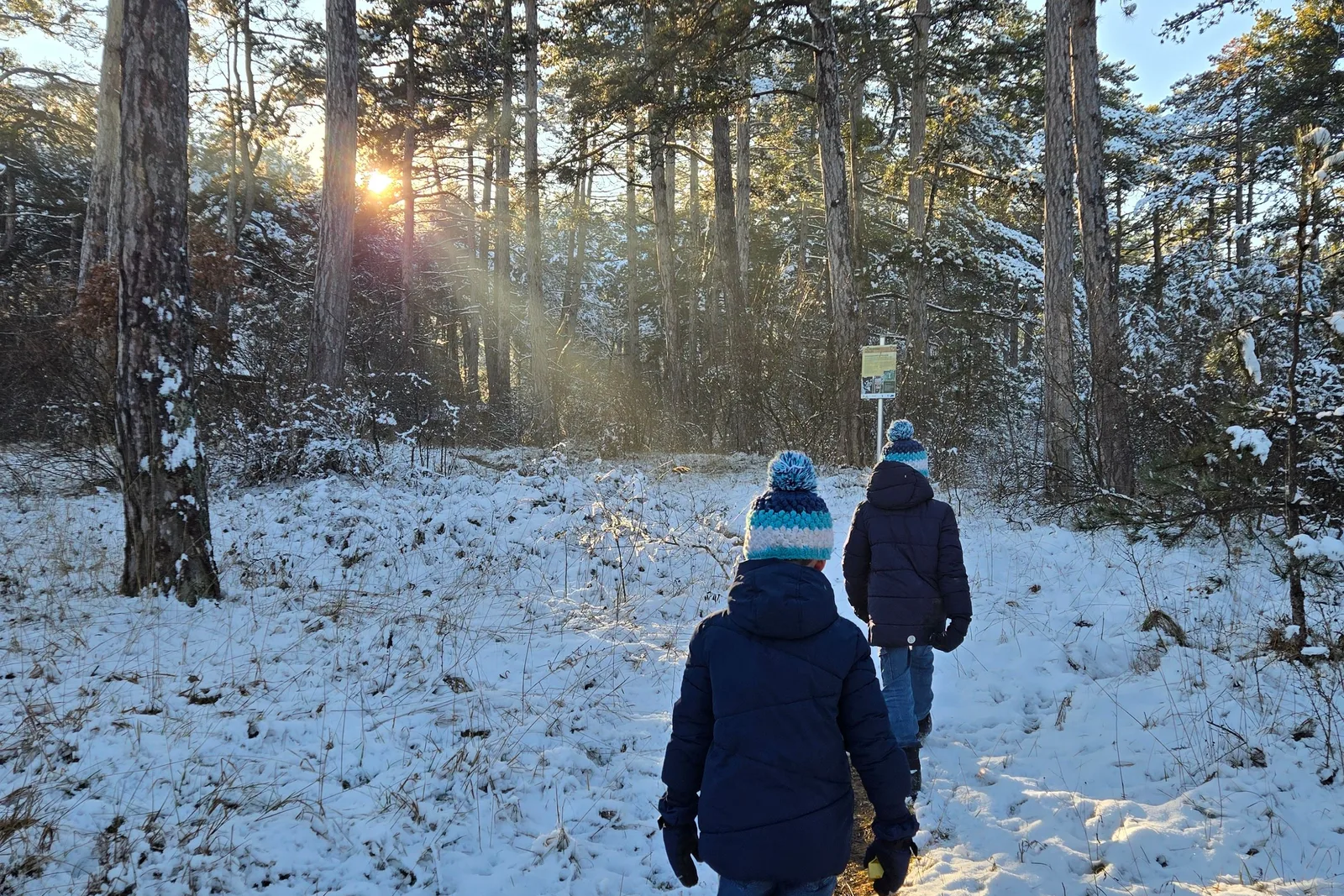
It is half past four in the afternoon and already dark outside. Your child is lying on the sofa, does not want to play, is close to tears and hard to get out of bed in the morning. Many parents know these weeks between November and February. Usually it is a passing "winter blues". Sometimes there is more to it. This article will help you look more closely – without fear and without hasty labels.
Winter blues or winter depression?
Grey days weigh on many people's mood. That is not yet an illness. Seasonal affective disorder (winter depression) is only spoken of when depressive symptoms appear repeatedly and exclusively in the dark season and disappear again as the days grow longer. Typical signs include sleeping more and craving food, for example sweets.
In children, low mood often looks different than in adults. Gently watch for the following signs, especially if they last longer than two weeks:
- Your child is noticeably sad, irritable or cries more often than usual
- They withdraw from friends and no longer enjoy favourite activities
- They are constantly tired, sleep much more and struggle to get going in the morning
- They find it hard to concentrate and school suddenly feels difficult
- They speak negatively about themselves or feel that nothing will get better
Why light matters so much
Daylight influences our inner clock and the messenger substances serotonin and melatonin. When it gets dark early, the body produces more of the "sleep hormone" melatonin, which makes us tired and listless. The good news: a daily walk in daylight already helps. Even on a cloudy day, it is roughly as bright outdoors as in front of a light therapy lamp – and you get the benefit of moving in the fresh air.
What your child needs now – a humanistic view
Shalva Amonashvili reminds us to meet every child with love, patience and faith in the good within them. Especially in dark weeks, a child does not need warnings like "pull yourself together", but the feeling: I am seen, just as I am right now.
1. Give the gift of morning light. Whenever possible, plan time outdoors in the morning or around midday – walking to school, a round during break, a joint trip to the bakery on Saturday. At home, open the curtains wide in the morning and have breakfast by the brightest window.
2. Keep a reliable rhythm. Rudolf Steiner emphasised how much children are carried by rhythm and recurring routines. Fixed times for getting up, eating and going to bed stabilise the inner clock – at weekends too.
3. Help put feelings into words. Instead of asking "What's wrong with you?", invite: "I have the feeling you have often been tired lately. Would you like to tell me how you are?" Listen without offering solutions straight away. Listening is already help.
4. Make small successes possible. In the spirit of Maria Montessori: give your child meaningful, manageable tasks – laying the table by candlelight, filling the bird feeder, kneading dough. Self-efficacy strengthens more than any praise.
5. Closeness without pressure. Reading aloud together, a blanket, a warm tea – time that demands no performance. An exhausted child especially needs moments in which they may simply be.
6. Limit screens mindfully. In the dark months the tablet becomes more tempting. Bright screen light in the evening can disturb sleep further. Replace the last hour before bed with a calm evening ritual.
And what about you?
Children sense our mood very finely. If you yourself are exhausted, that is not a failure but a sign to take good care of yourself too. Your own walk in daylight is therefore also a gift to your child.
When to seek help
If the low mood lasts longer than two weeks, clearly affects everyday life or returns every year, please talk to your paediatrician. Winter depression is very treatable – sometimes with more light, sometimes with therapeutic support.
Seek help immediately if your child talks about not wanting to live any more or harms themselves. In Switzerland you can always reach the emergency number 144. Children and young people can find free, confidential support around the clock at 147 (Pro Juventute). For parents, the Elternnotruf 0848 35 45 55 is available 24/7, and for adults in crisis 143 (Die Dargebotene Hand).
Note: This article does not replace a medical or psychological assessment. It aims to encourage you to look mindfully and, if in doubt, to involve professionals.
More ideas for family life: The book "Humanistic Education" (in German) offers many practical suggestions for loving, connected support of your child – in bright and dark times alike.