
Wintertime with Children – Rituals, Warmth and Light for the Dark Months
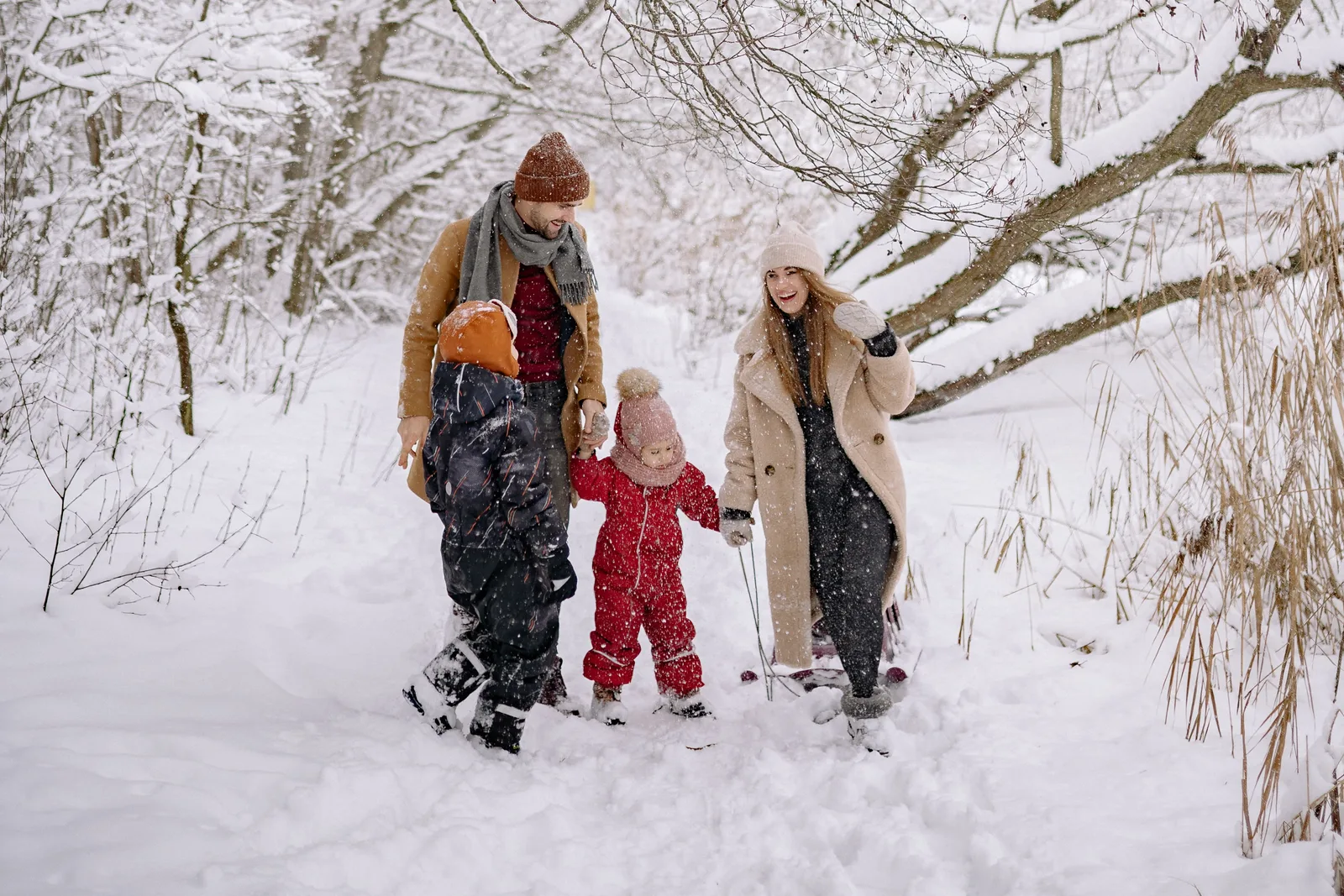
When the first snow falls outside and the windows glow early in lamplight, family life changes too. Winter is not a time to simply "get through". It is an invitation: to slow down, move closer together and marvel. Children feel this change of season very clearly – and need adults who shape it consciously with them.
The rhythm of the seasons
In Rudolf Steiner's pedagogy, consciously experiencing the seasons plays a major role. Children learn not only from books but with all their senses: from cold and warmth, darkness and candlelight, the crunch of snow. Shaping winter with children gives them orientation – and a sense of security in the cycle of the year.
Outdoors: soaking up light and movement
1. The daily light walk. Go out into the fresh air every day, ideally in daylight – even in fog or drizzle. With warm clothing there is no bad weather. Movement and daylight are good for body and mind.
2. Tracking in the snow. Who passed by here? Fox, deer or blackbird? Reading tracks trains attention and awakens wonder at the nature right outside your door.
3. Caring for birds in winter. A bird feeder by the window becomes a living nature lesson. Children take on responsibility and observe patiently – very much in the spirit of Montessori, who saw children as attentive researchers.
Indoors: warmth and connection
4. The candlelight dinner. Once a week everyone eats by candlelight, without screens. Each person shares a lovely moment from their day. A small celebration of attention.
5. Making something together with your hands. Baking bread, kneading beeswax, folding stars, knitting a scarf. Handwork calms, strengthens fine motor skills and lets children experience: I can create something valuable.
6. Story time. Winter is the season of stories. A fixed reading time in the early evening, snuggled under a blanket, offers closeness and language at the same time.
7. The winter gratitude jar. Every evening, write or draw something you are grateful for on a slip of paper and put it in a jar. On a dark day, read them together. Gratitude turns our gaze towards the good.
For the soul: stillness and encounter
8. Time for boredom. Not every hour needs to be filled. Imagination and children's own play ideas grow out of boredom. A quiet afternoon without a programme is a gift.
9. Bringing joy to others. A home-baked biscuit for the elderly neighbour, a drawing for grandma. Confucius placed humaneness and consideration for others at the centre of his teaching. Children experience that warmth of heart is contagious.
10. The evening ritual of calm. A consistent routine before sleep – dimming the lights, a song, a goodnight chat – helps especially in the dark season to settle down well and wake up fresher.
When the mood turns
Not every winter day is cosy. Children may be tired, whiny or sad in winter too. Shalva Amonashvili would say: that is exactly when a child needs our heart most. Meet bad moods with understanding rather than strictness. If your child seems noticeably low for weeks, however, read our article "Winter Depression in Children" and, if in doubt, talk to your paediatrician.
Winter teaches us that growth happens even in the dark – beneath the snow, seeds gather their strength for spring.
More inspiration: The book "Humanistic Education" (in German) and our courses for parents offer further ideas for loving, connected family life – all year round.