

We are founding 2+ humanistic schools

Humane Education for a better world

We spread humane teaching based on humanistic philosophies and found schools where children grow with heart, mind and dignity. Become part of it!

0
Online School (2+ Locations Planned)
+0
Families
+0
Courses
+0
Certificates Issued
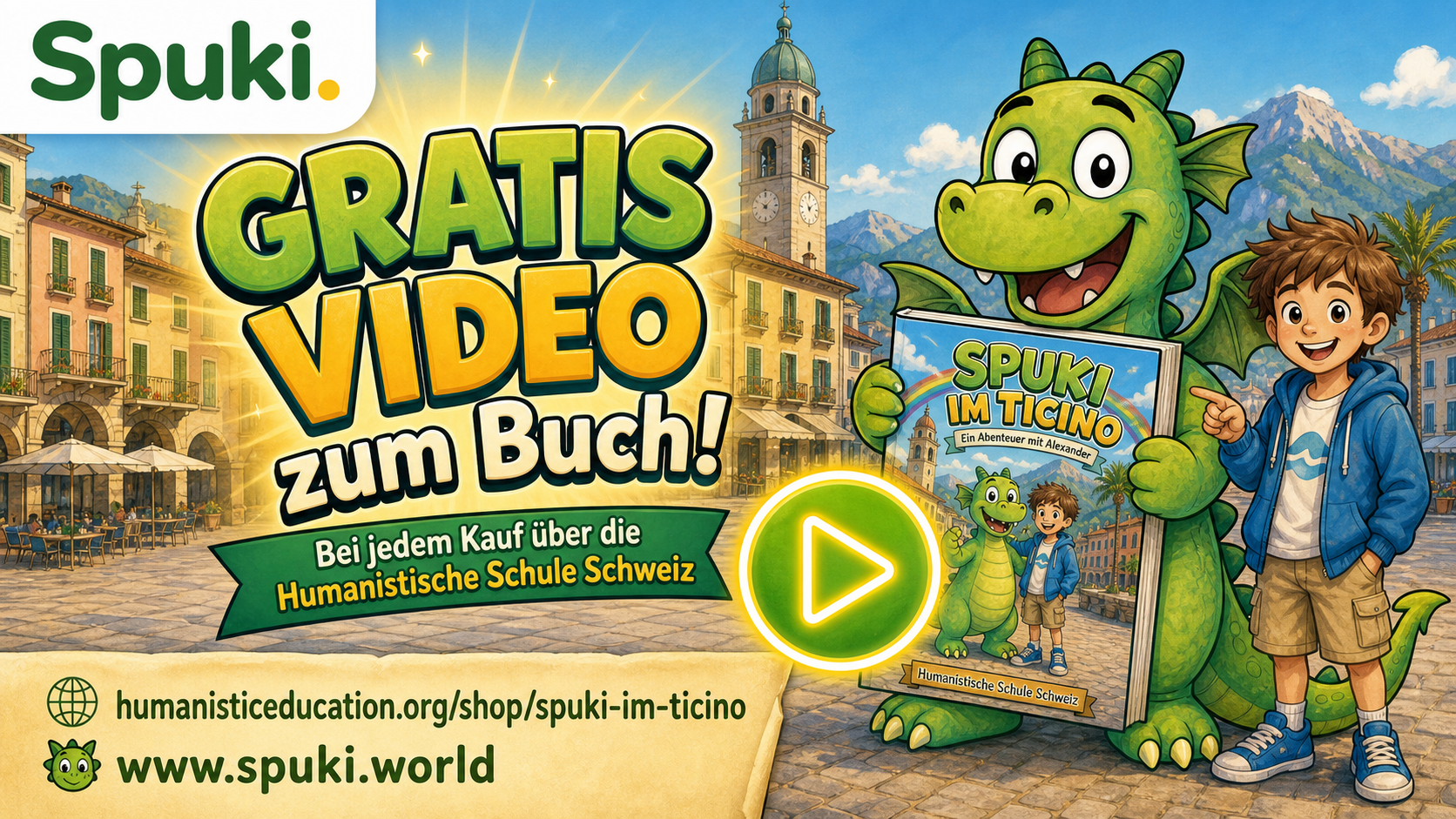
Spuki im Ticino – Free video with every book purchase through Humanistische Schule Schweiz

Free video with the book!

Spuki im Ticino: Every purchase through Humanistische Schule Schweiz includes the video for free. Choose your edition.

Best Price Guarantee for Online Courses
eduqua certification in preparation
Swiss Curriculum 21 compatible
Qualified Instructors
International Locations
Small classes – max. 12 participants

Our Partners & Memberships

EUDECautismus schweiz
Non-Profit
Swiss Quality
Our Mission

Spreading humanistic education – founding schools

Our pedagogical core is the Humane Pedagogy of Shalva Amonashvili – enriched by insights from Montessori, Steiner and Confucius. We found schools, train teachers and support families – so every child can learn with love, dignity and joy.

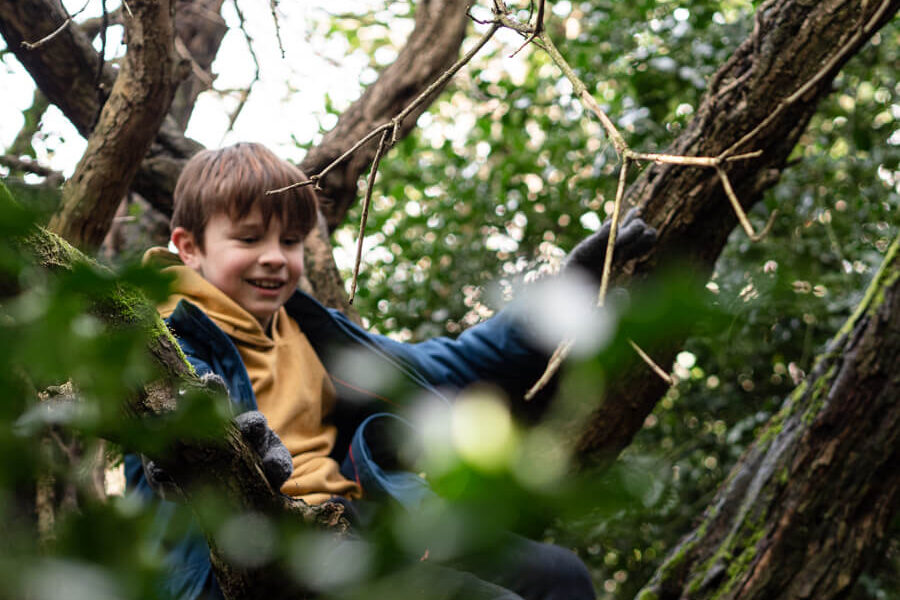
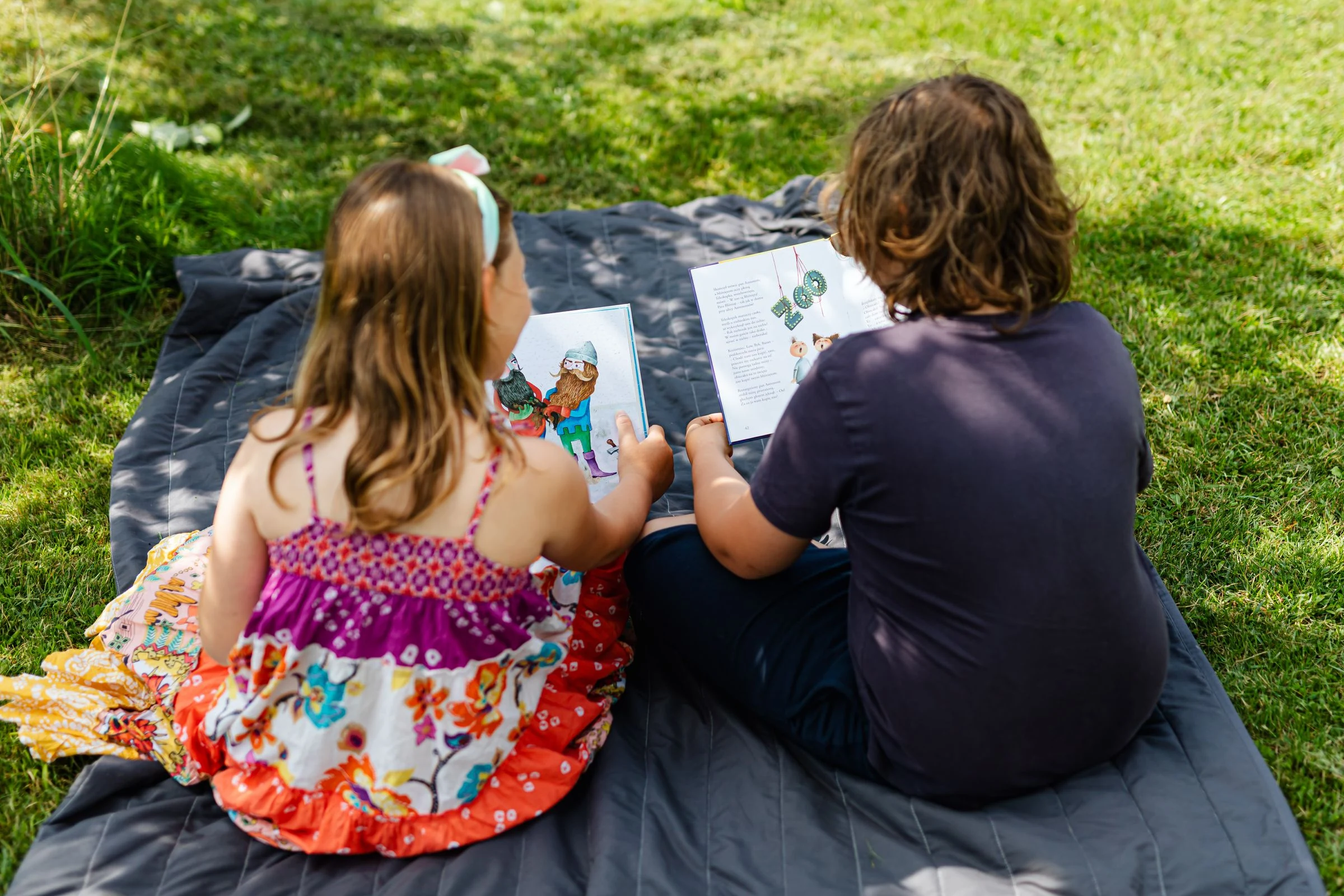
Illustrative photo · Karola G / Kaboompics

Illustrative photo: Children reading books on a blanket outdoors
Donation Goal
CHF 4.4 Mio.
CHF 16,000 raised – every donation counts!

With care, at your own pace

Five learning paths. Your next step.

You bring experiences, questions and strengths. Find a starting point, explore what matters to you and try new possibilities in everyday life. You choose the steps that fit you.

Parents and family

Parents and family

Understand children in their individuality, nurture relationships and explore practical approaches together.

  1. Find orientation through an ADHD or autism introduction.
  2. Continue with distinct family and in-depth offers according to your needs.
  3. Try ideas together and reflect without pressure to perform.
Explore learning path
Pedagogy and continuing education

Pedagogy and continuing education

Foster dignity, trust and self-determination in learning environments. Consider educational thinkers as inspiration and reflect on your practice.

  1. Humane pedagogy: begin with the foundations.
  2. Choose advanced study or a Paata focus according to your questions.
  3. Consider an academy module, continuing education and a training pathway separately; credit is not promised.
Explore learning path
Young people: strengths and values

Young people: strengths and values

Take your own questions seriously, discover strengths and develop a personal compass of values through choice and respectful dialogue.

  1. Explore your standpoint through ethics and values.
  2. Consider self-discovery as distinct further study, not a repeat of the same content.
  3. Try your own ideas in everyday life and the community.
Explore learning path
Personal development and society

Personal development and society

Explore personal orientation, relationships, social responsibility and faith as distinct questions, openly, affirming faith and respecting others.

  1. Choose your own question about values and life.
  2. Focus further study on relationships, economics or faith.
  3. Reflect voluntarily and choose a small next step.
Explore learning path
Creativity and experience

Creativity and experience

Discover the joy of expression through lines, stories, sounds and nature. Online study, individual guidance and in-person experiences remain distinct offers.

  1. Choose a creative topic or an introductory neurographic drawing session.
  2. Explore foundations or a personal project if you wish.
  3. Enquire about a suitable format; dates are announced only after confirmation.
Explore learning path

Learning paths provide orientation, not course packages, credit transfer or professional recognition. Each offer retains its own detail page, audience and actual preparation or delivery status.

Our Pedagogical Approach

Humane Pedagogy as Foundation

We unite the best of East and West into a pedagogy that sees the child as a whole.

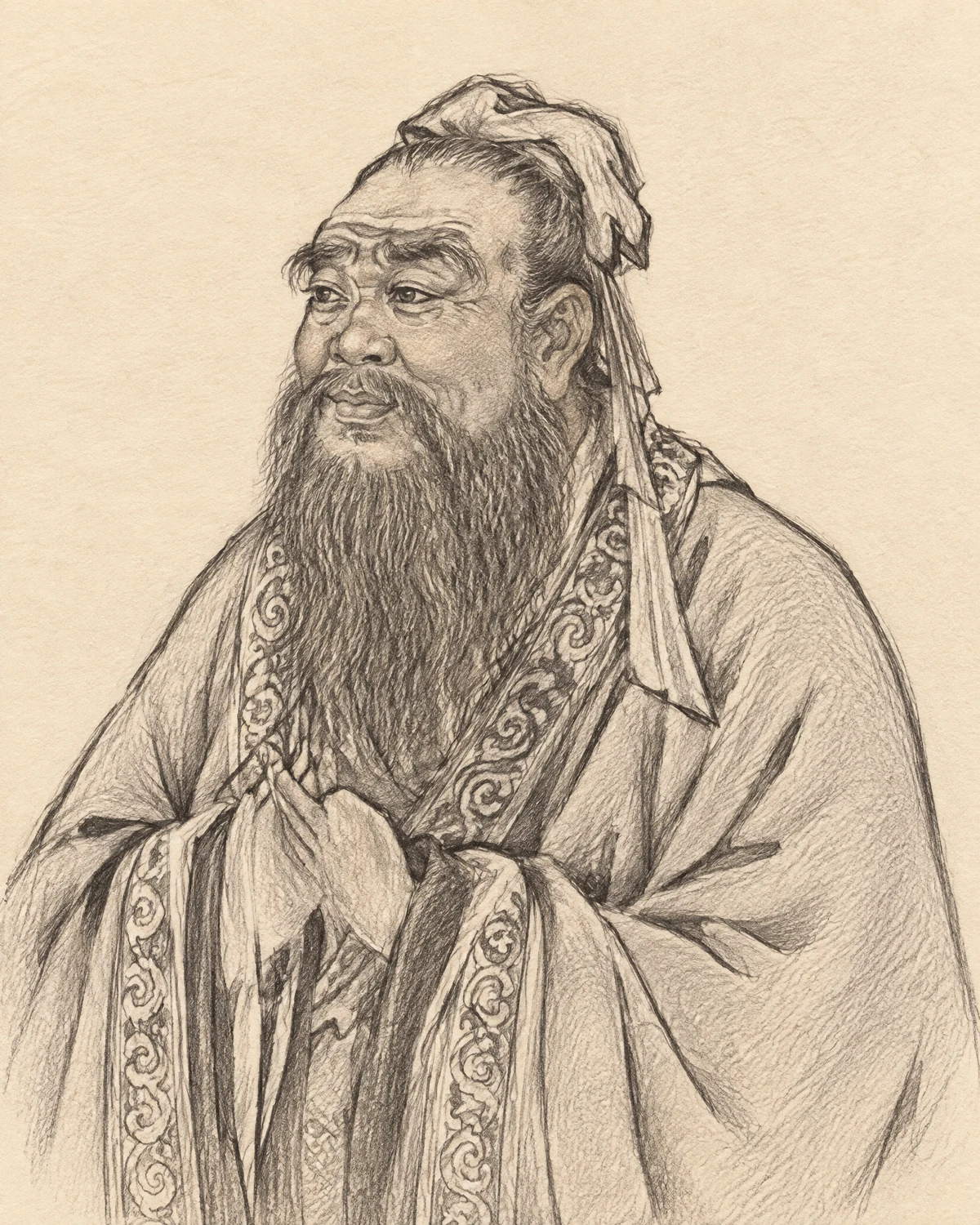
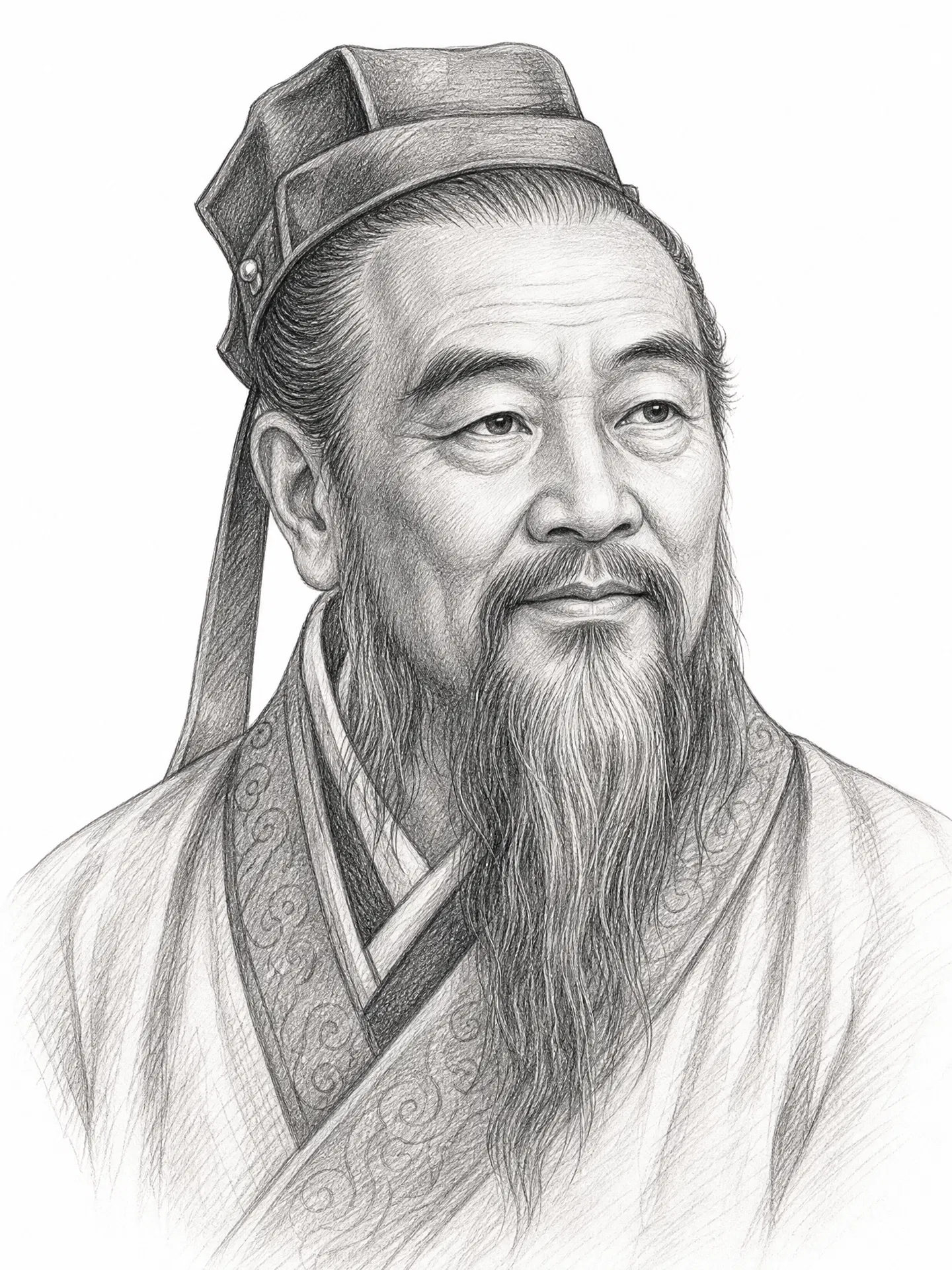
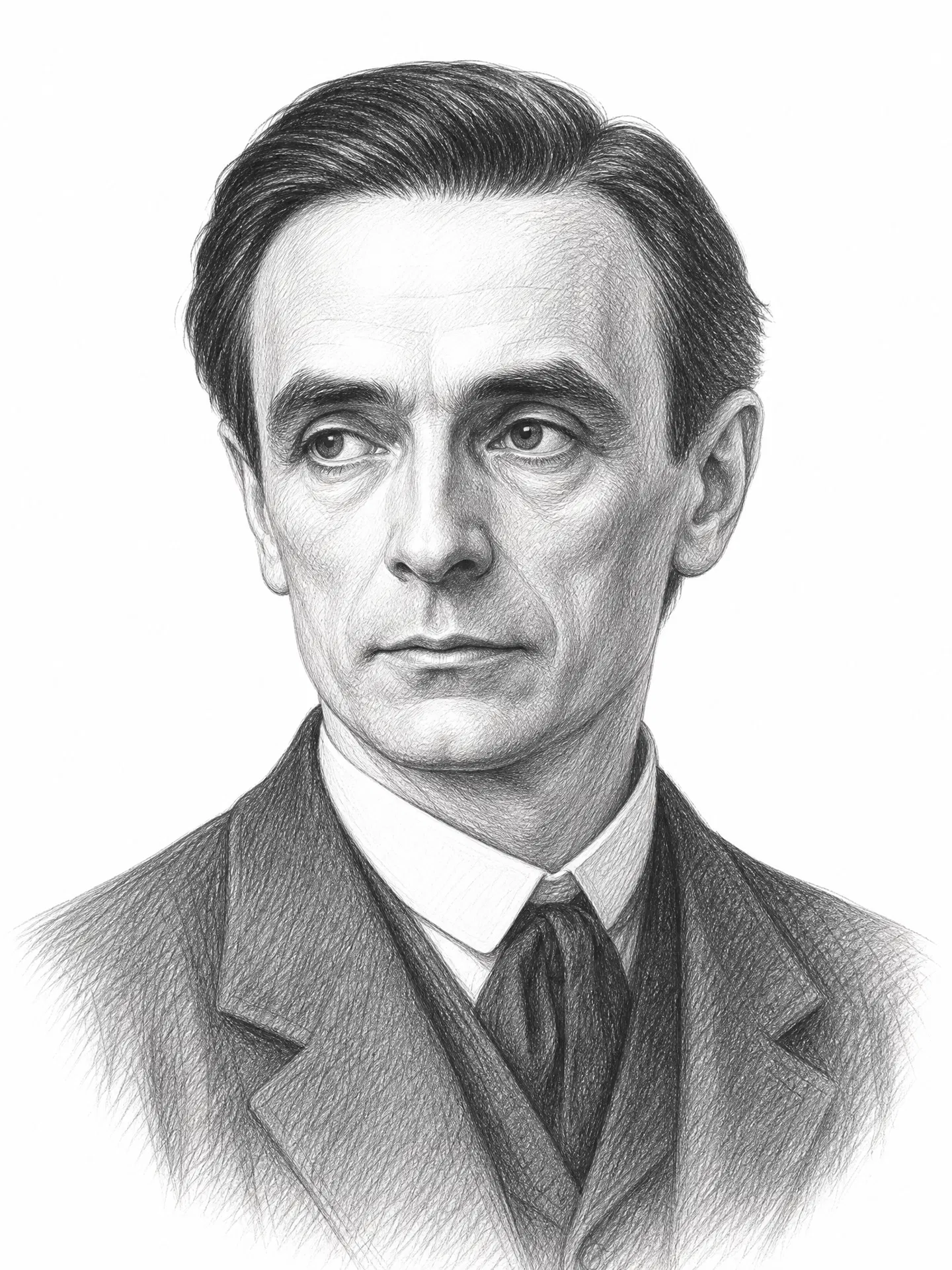
Pencil portrait of ConfuciusInfluence

Confucius

Respect, community and lifelong learning. Virtue as the path to harmony between human and world.

Pedagogy Summary

"Learning without thought is labor lost. Thought without learning is perilous." – The five virtues (Rén, Yì, Lǐ, Zhì, Xìn) form the foundation of harmonious society and education.

551–479 BC · China

Illustration and image credit
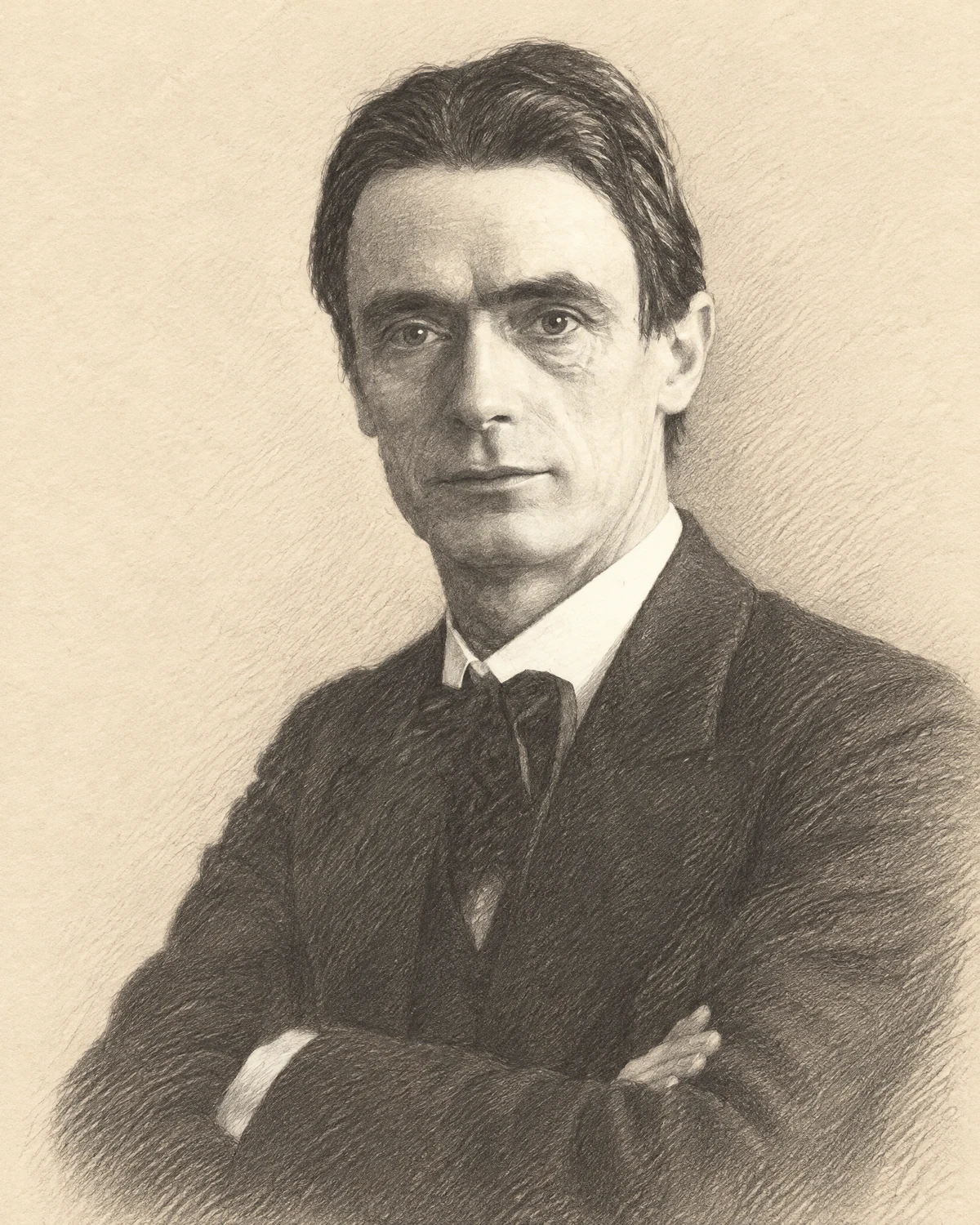
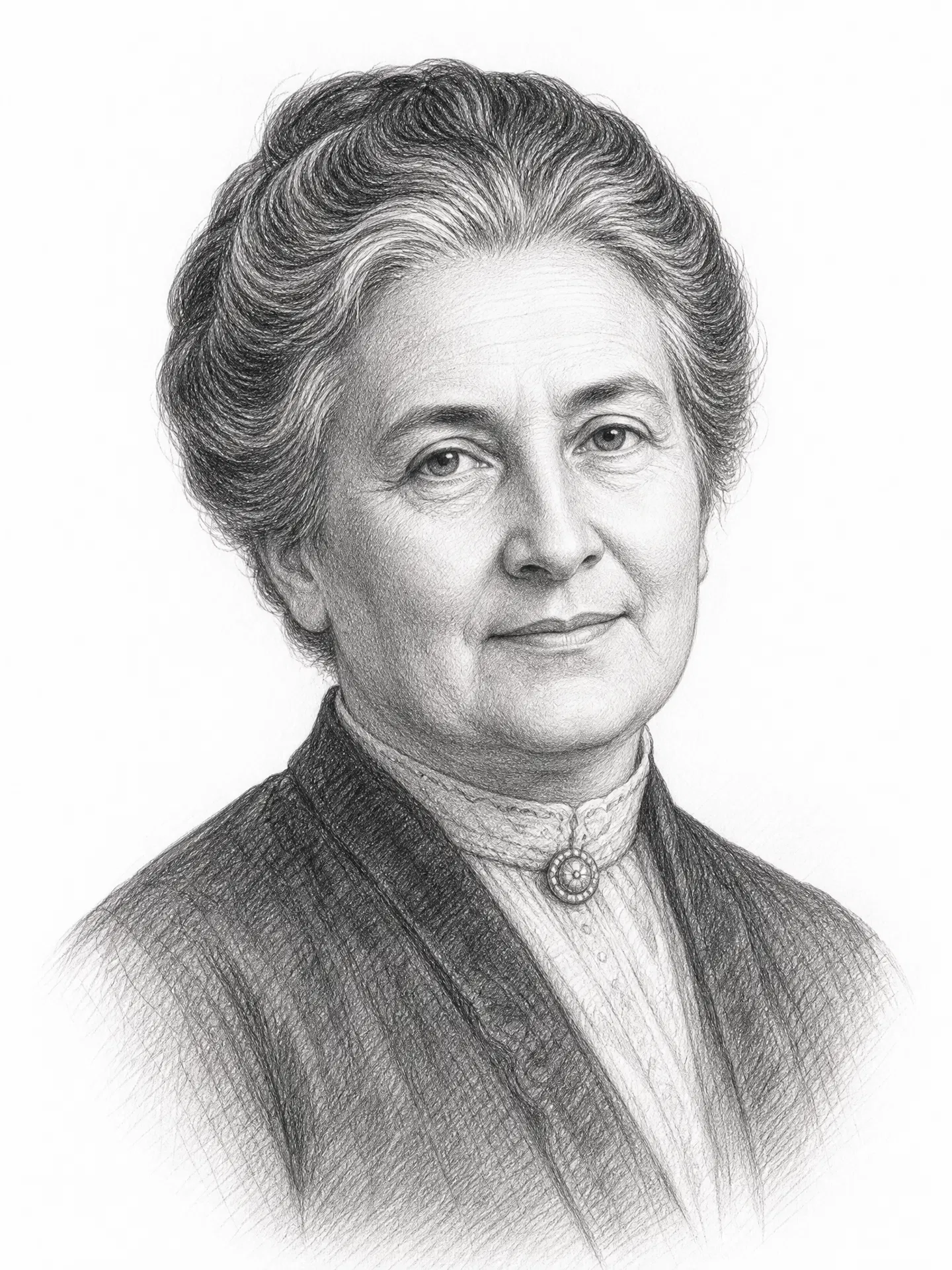
Pencil portrait of Rudolf SteinerInfluence

Rudolf Steiner

Head, heart and hand – holistic development in rhythms. Artistic learning and connection to nature.

Pedagogy Summary

Waldorf education: Learning in 7-year rhythms. Eurythmy, watercolor painting and gardening nurture willpower. No grades until class 8 – individual learning reports instead.

1861–1925 · Austria/Switzerland

Illustration and image credit
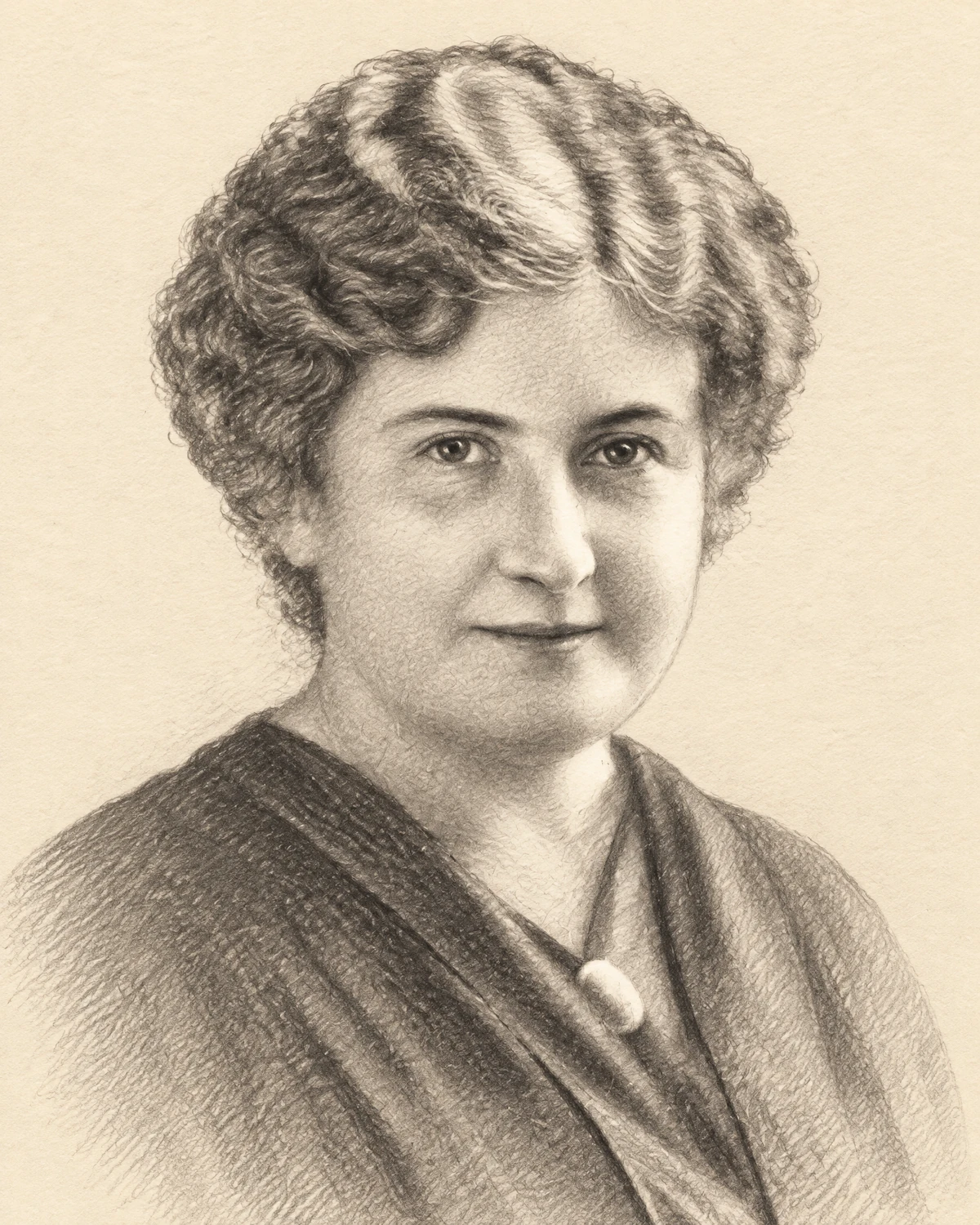
Pencil portrait of Maria MontessoriInfluence

Maria Montessori

Fostering independence – the child as architect of itself. Free choice of work in a prepared environment.

Pedagogy Summary

"Help me do it myself." – Children learn at their own pace through sensory experiences. The prepared environment enables free development without judgment.

1870–1952 · Italy

Illustration and image credit
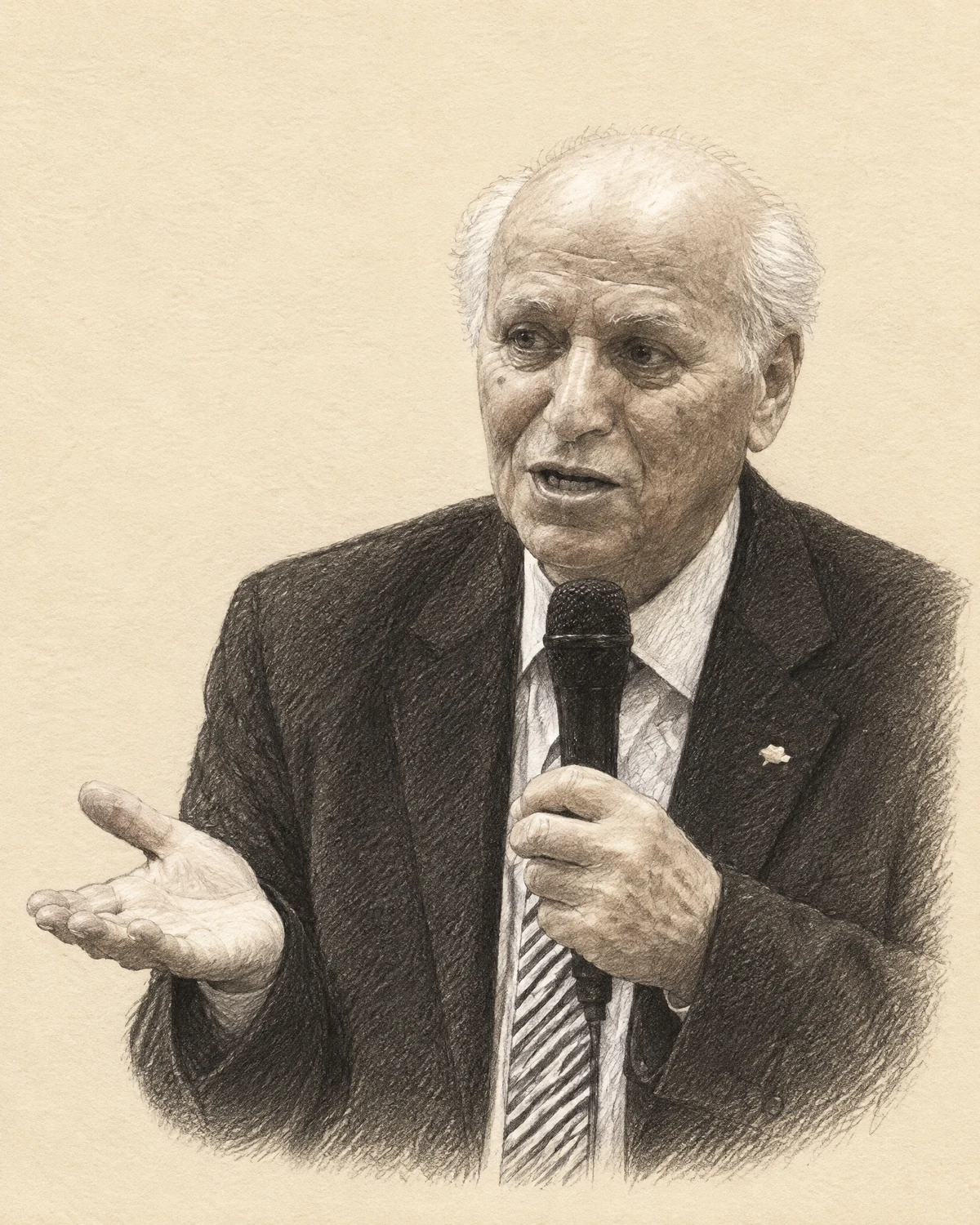
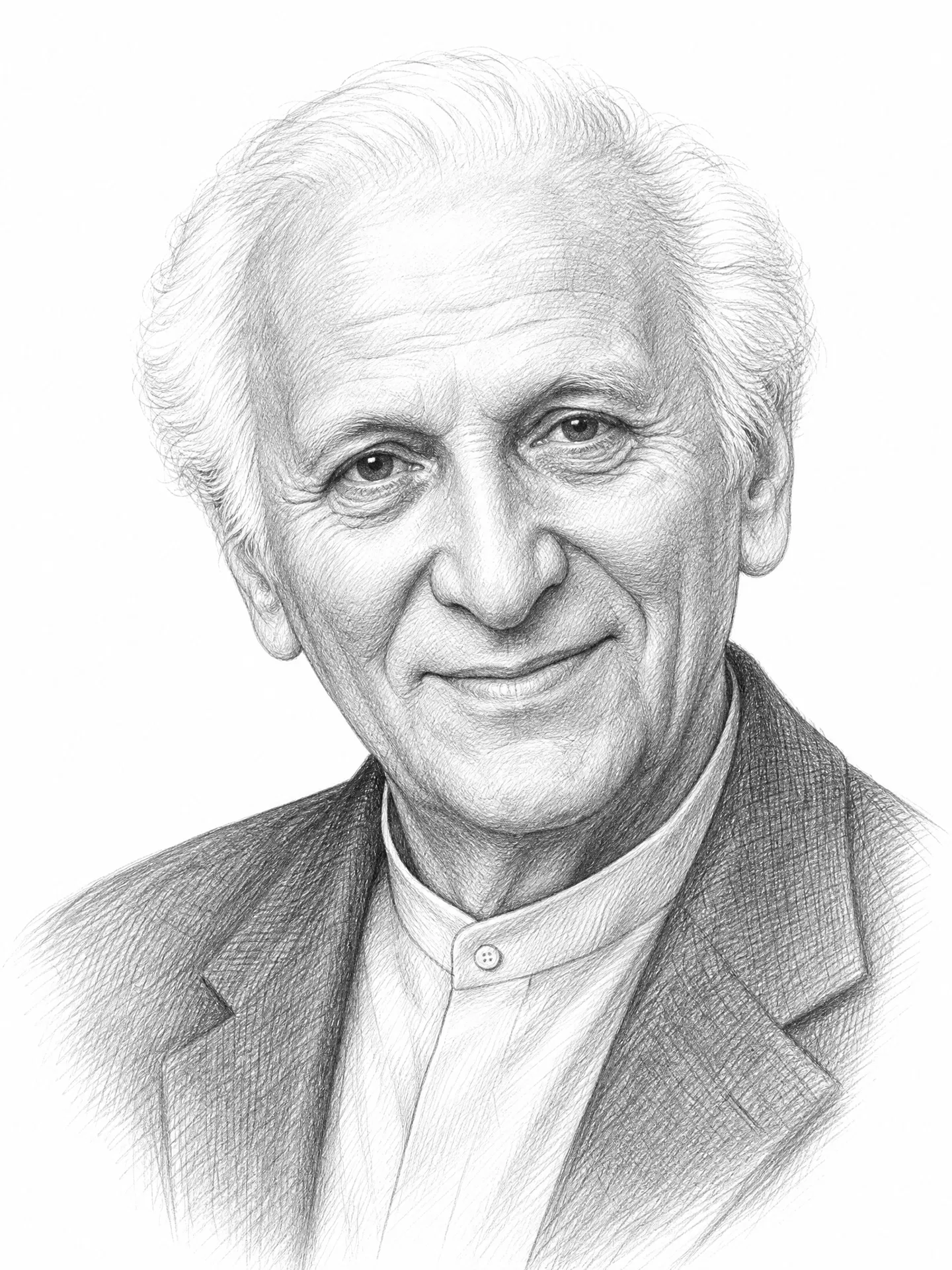
Pencil portrait of Shalva AmonashviliCore

Shalva Amonashvili

The child as an equal partner – education through love, trust and the unfolding of inner soul forces.

Pedagogy Summary

"Education through the heart is the highest form of learning." – Humane Pedagogy: The child as co-creator of their education. Love instead of pressure, trust instead of control.

1931 – today · Georgia

Illustration and image credit
Show all 15 here and read their summaries
Pencil portrait of ConfuciusConfucius551–479 BCRead summary

Respect & lifelong learning

Respect, community and lifelong learning. Virtue as the path to harmony between human and world.

Learn more
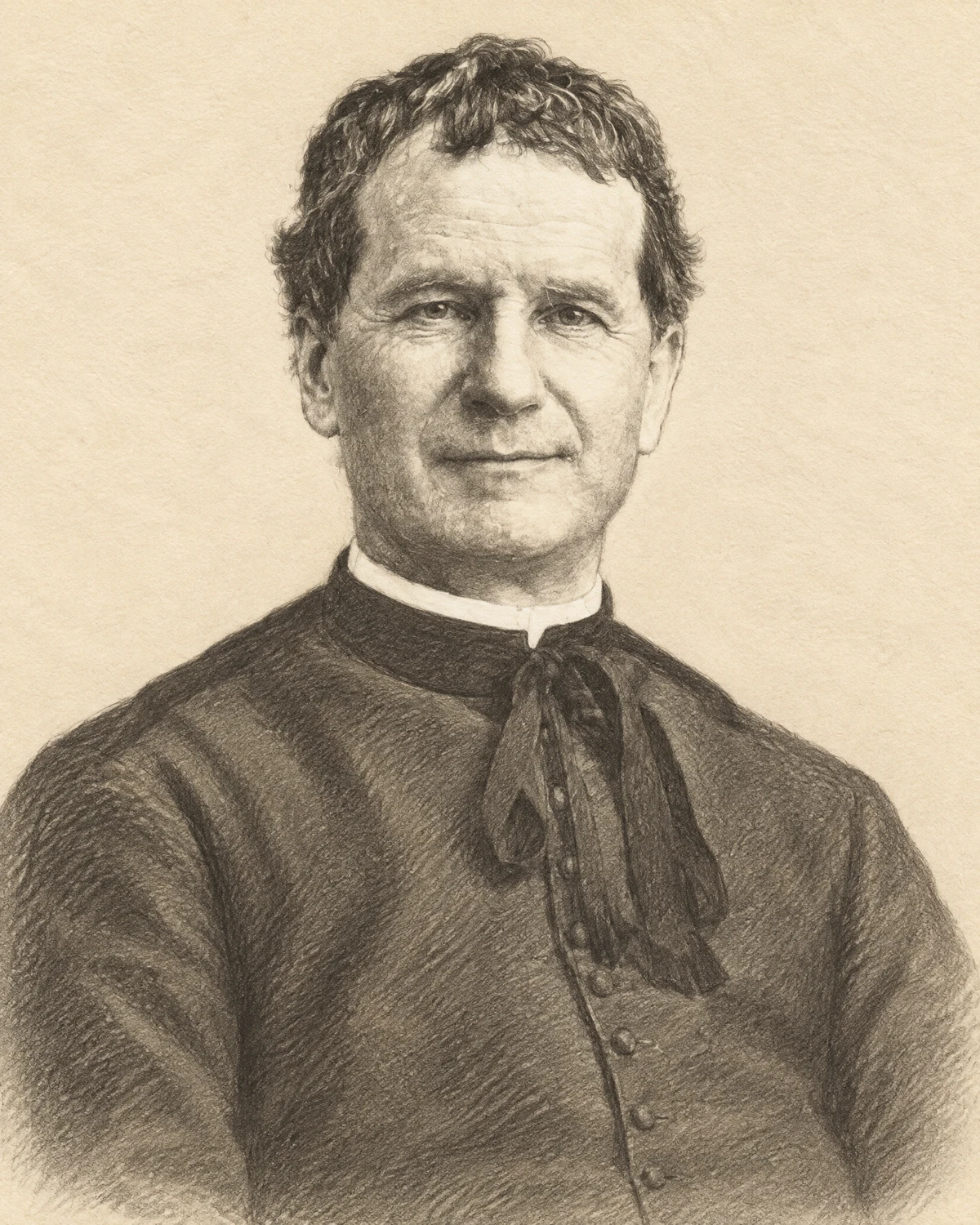
Pencil portrait of Don BoscoDon Bosco1815–1888Read summary

Preventive system & education through love

"It is not enough to love the young – they must know that they are loved."

Don Bosco developed the preventive system: instead of punishment, he relied on reason, religion and kindness. He founded schools for the poorest children and proved that love and trust are more powerful than any disciplinary measure. His legacy lives on in over 130 countries.

Learn more
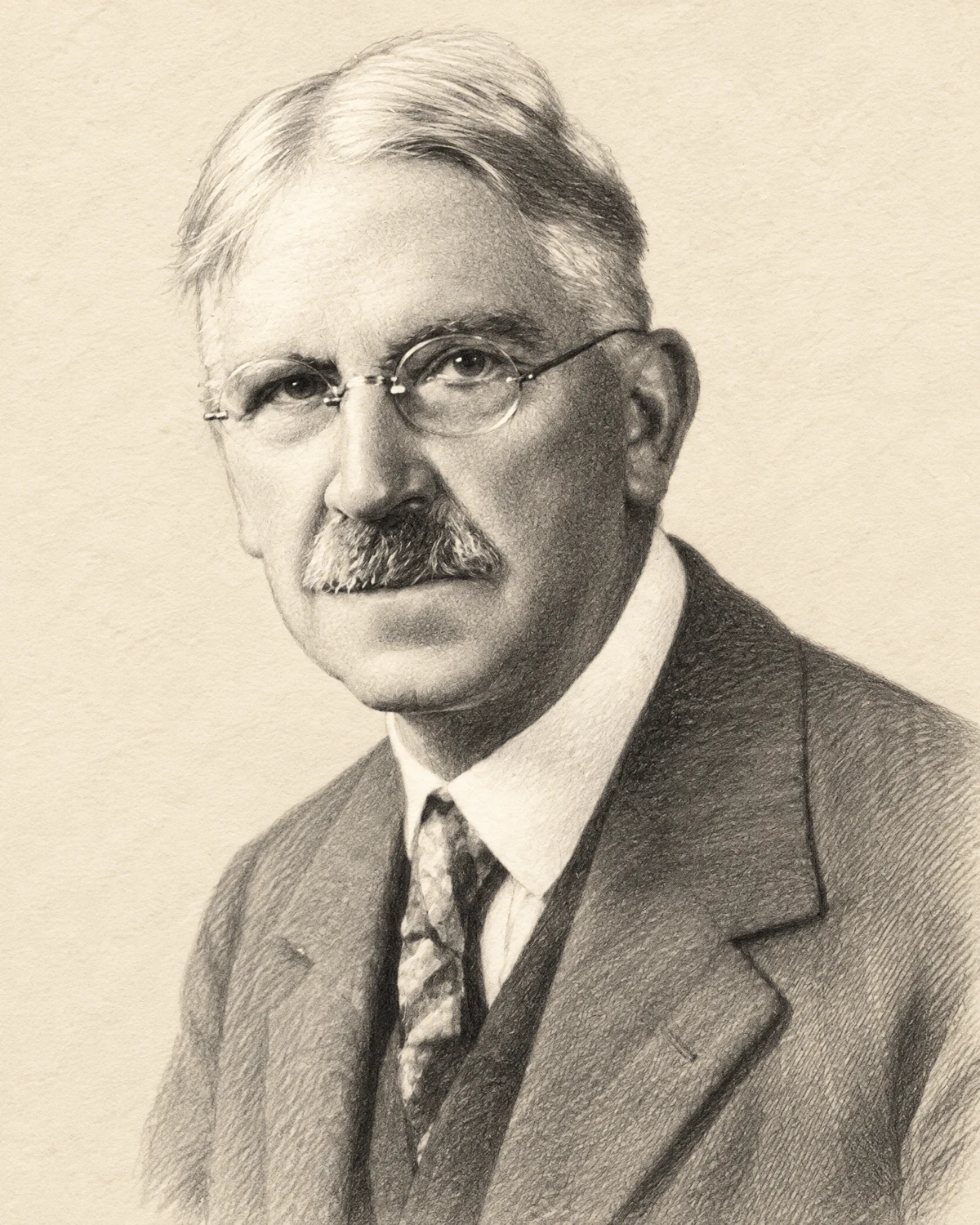
Pencil portrait of John DeweyJohn Dewey1859–1952Read summary

Learning through experience

"Education is not preparation for life; education is life itself."

Dewey emphasised that genuine learning arises through direct experience. Our courses are therefore practice-oriented: reflection, exchange and concrete exercises are at the centre – not abstract theory.

Learn more
Pencil portrait of Rudolf SteinerRudolf Steiner1861–1925Read summary

Head, heart and hand

Head, heart and hand – holistic development in rhythms. Artistic learning and connection to nature.

Learn more
Mahatma Gandhi1869–1948Read summary

Non-violence & education of the heart

"Be the change you wish to see in the world."

Gandhi taught that true education must address the head, heart and hands in equal measure. His philosophy of non-violence (Ahimsa) and truth-seeking (Satyagraha) shows that inner transformation is the foundation of outer change. In our school, we live these values: we resolve conflicts through dialogue, not through power.

Learn more
Pencil portrait of Maria MontessoriMaria Montessori1870–1952Read summary

Independence & a prepared environment

Fostering independence – the child as architect of itself. Free choice of work in a prepared environment.

Learn more
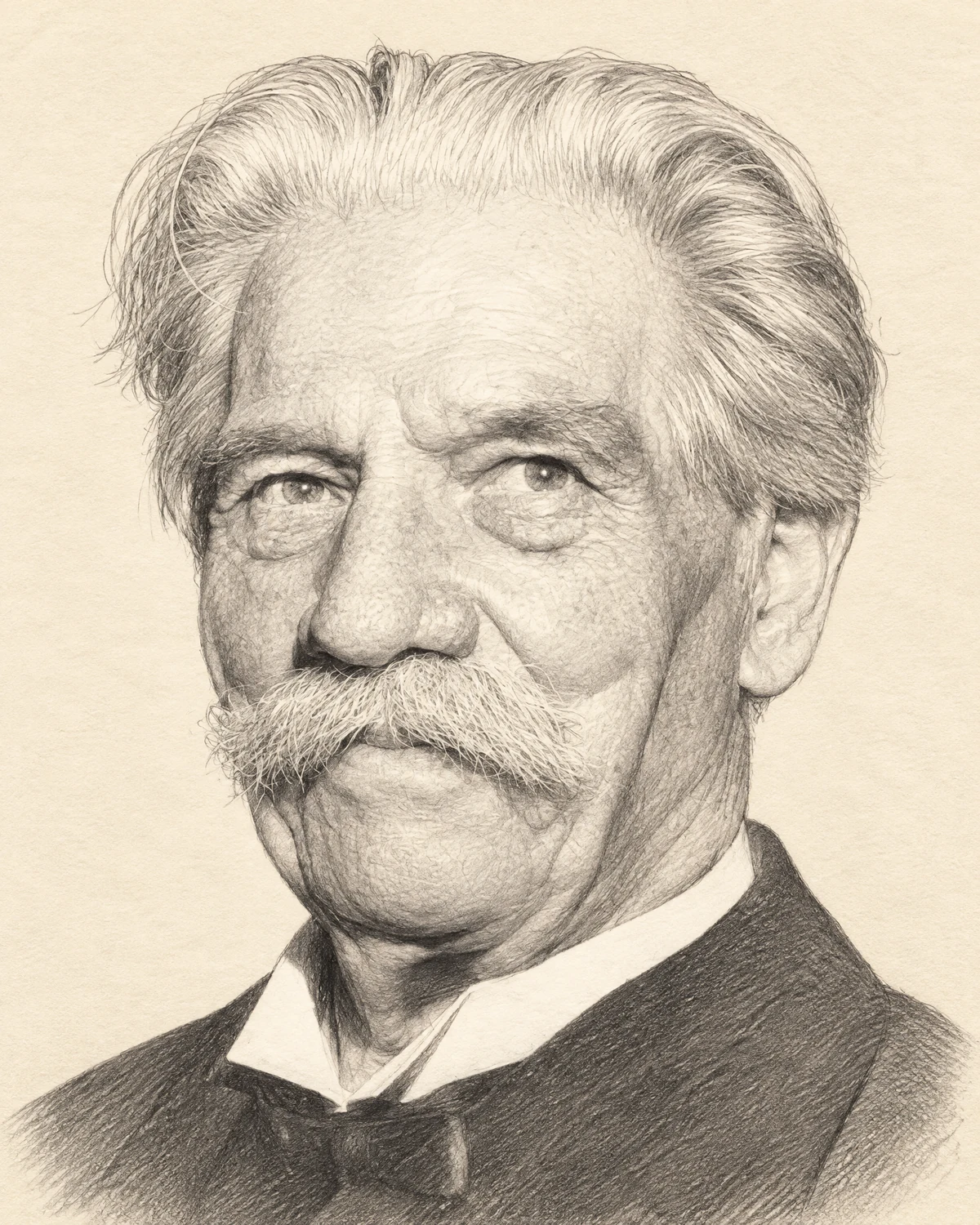
Pencil portrait of Albert SchweitzerAlbert Schweitzer1875–1965Read summary

Reverence for life

"The only thing that matters in life are the traces of love we leave behind."

Albert Schweitzer – physician, theologian, musician and Nobel Peace Prize laureate – lived the ethic of 'Reverence for Life'. He taught that every living being deserves respect and that true education leads people to responsibility towards all that lives. His attitude inspires our relationship with nature, animals and our fellow humans.

Learn more
Pencil portrait of Janusz KorczakJanusz Korczak1878–1942Read summary

Rights of the child & respect for childhood

"Children do not become people – they already are."

Janusz Korczak – physician, pedagogue and writer – fought for the rights of the child as a full human being. He accompanied 'his' children to their death at Treblinka. His work inspired the UN Convention on the Rights of the Child. In our school, every child has the right to participation, dignity and respect – not as a gift, but as a fundamental right.

Learn more
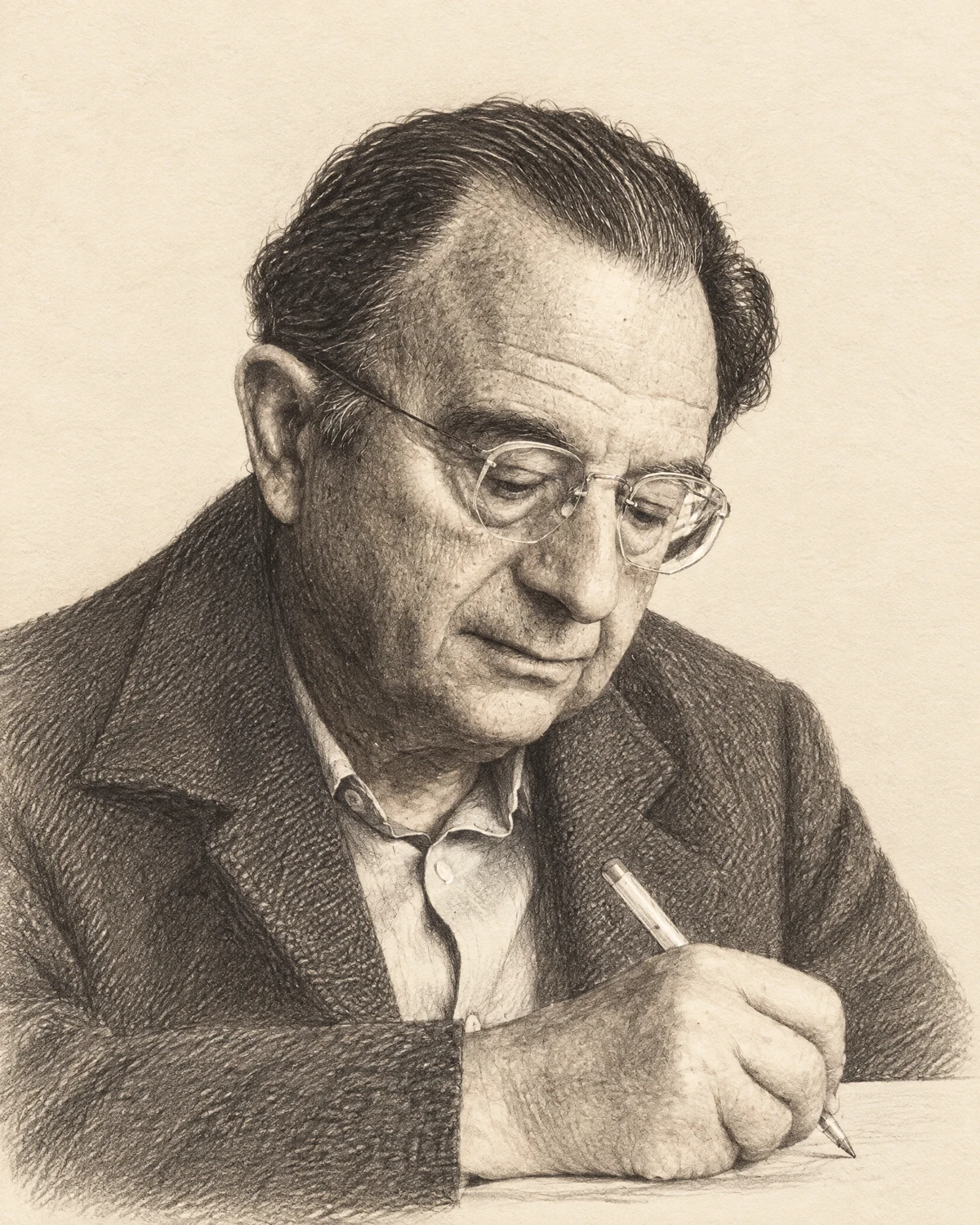
Pencil portrait of Erich FrommErich Fromm1900–1980Read summary

Humanistic ethics & love as an art

"Love is an art that must be learned."

Fromm taught that love – towards children, oneself, the community – is not a spontaneous emotion, but a capacity that must be developed. Our parent courses are built on this foundation.

Learn more
Carl Rogers1902–1987Read summary

Person-centred approach

"The only learning which significantly influences behaviour is self-discovered, self-appropriated learning."

Rogers developed the person-centred approach: empathy, authenticity and unconditional positive regard are the foundation of every healing relationship – including in education. Our course leaders work according to these principles.

Learn more
Abraham Maslow1908–1970Read summary

Hierarchy of needs & self-actualisation

"What a man can be, he must be."

Maslow showed that learning only succeeds when basic needs are met: safety, belonging, appreciation. In our courses, we consciously create a space where all participants feel safe and valued – as a prerequisite for real growth.

Learn more
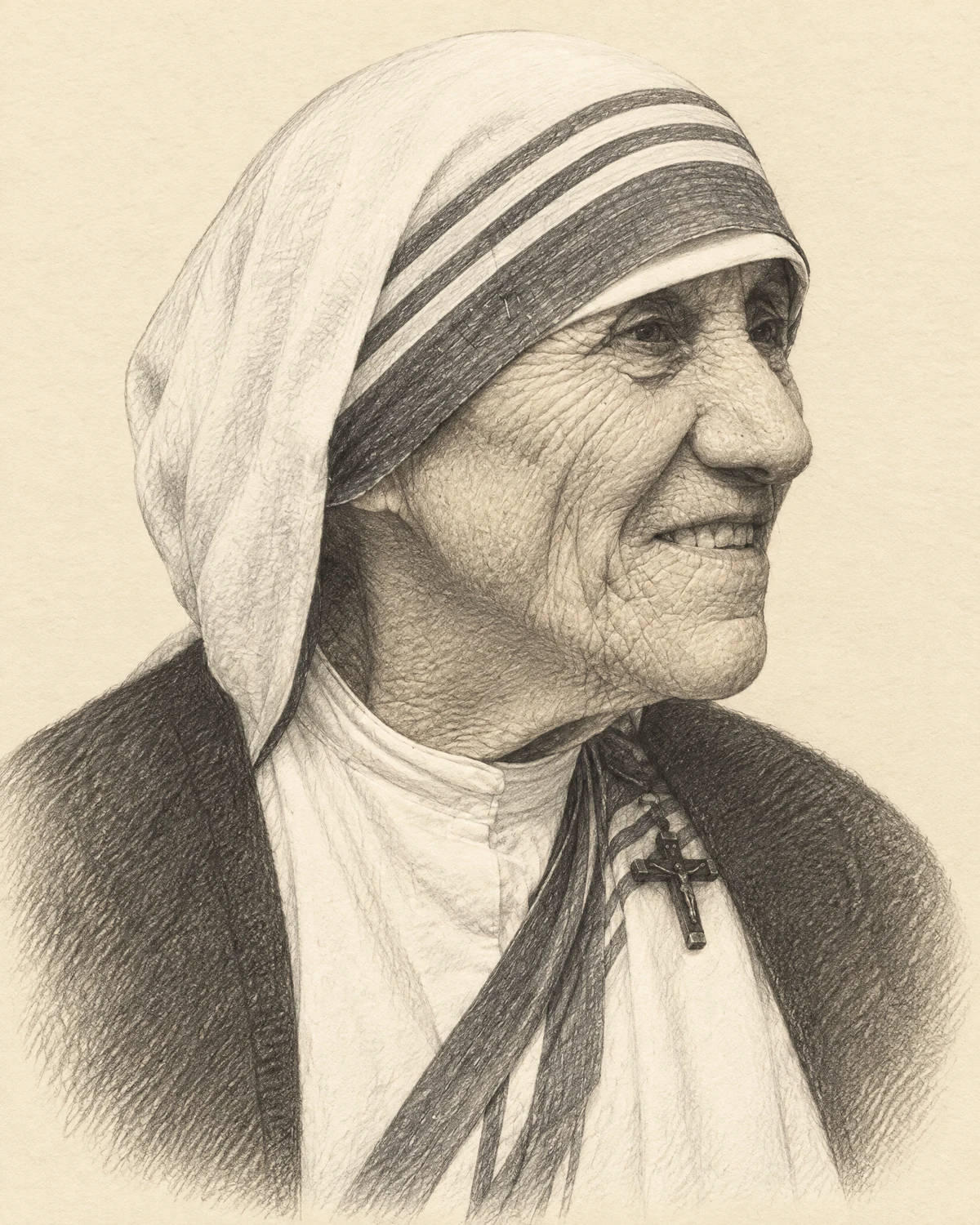
Pencil portrait of Mother TeresaMother Teresa1910–1997Read summary

Charity & service to humanity

"Not all of us can do great things. But we can all do small things with great love."

Mother Teresa dedicated her life to the poorest of the poor. Her unconditional devotion shows that true greatness lies in service. In our school, children learn that compassion and willingness to help are not weakness, but the highest form of human strength. Every small gesture of kindness counts.

Learn more
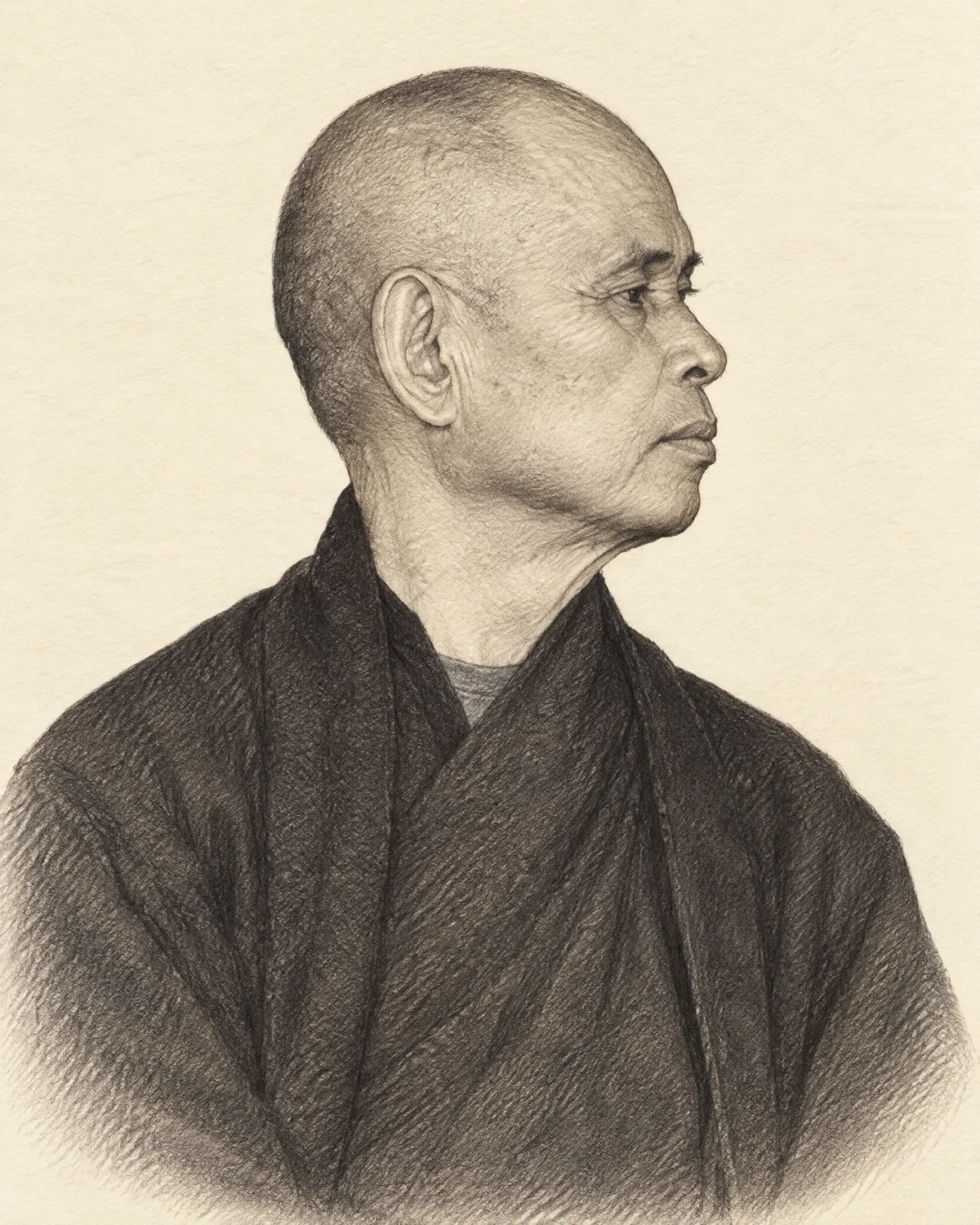
Pencil portrait of Thich Nhat HanhThich Nhat Hanh1926–2022Read summary

Mindfulness & engaged Buddhism

"There is no way to peace – peace is the way."

Thich Nhat Hanh – Vietnamese Zen master and peace activist – taught that mindfulness in everyday life is the foundation for peace and compassion. His methods of mindful communication and deep listening are directly integrated into our courses. Children learn to be present in the moment and to handle emotions.

Learn more
Pencil portrait of Shalva AmonashviliShalva Amonashvili1931Read summary

Humanistic pedagogy of joy

"A child is not a vessel to be filled, but a flame to be ignited."

Prof. Amonashvili is the direct spiritual father of our school. His humanistic pedagogy of joy, compassion and dignity is the heart of our approach. The Humanistic School Switzerland was founded in direct collaboration with his school in Georgia.

Learn more
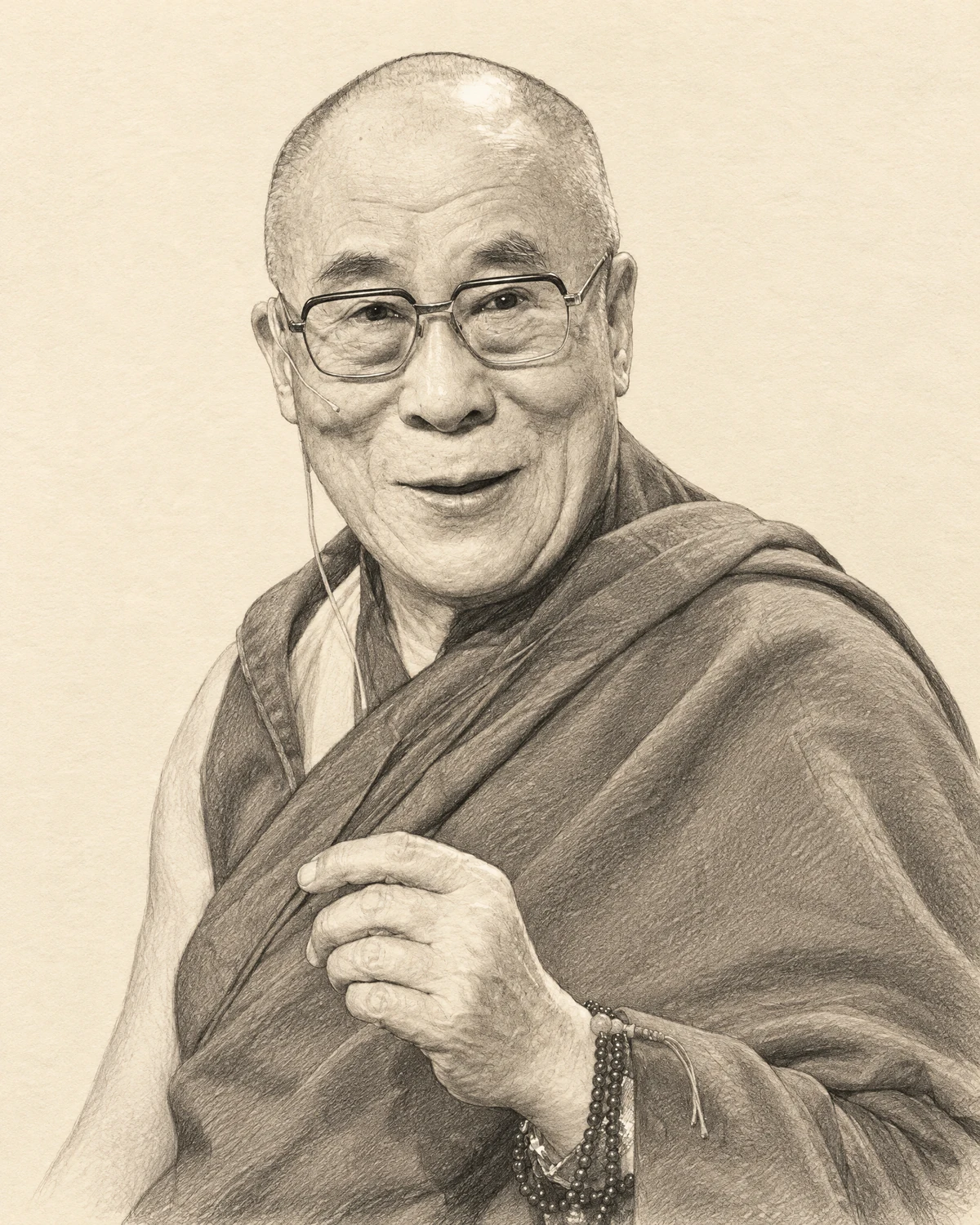
Pencil portrait of Dalai LamaDalai Lama1935–Read summary

Compassion & universal responsibility

"My true religion is kindness."

The Dalai Lama has taught for decades that compassion is not a religious matter, but a human necessity. His idea of 'universal responsibility' – that we are all responsible for each other – shapes our understanding of community. In our courses, we practise empathy as a learnable skill.

Learn more
Partnership not competition

Humanistic Pedagogy for Your School

We don't see other schools as competition – but as partners. Together we can integrate humanistic teaching into existing schools and enable more children to receive a loving education.

Teacher Training

Workshops and certificate courses for teachers at your school

Pedagogical Consulting

Individual consulting for integrating humanistic methods into your school routine

Materials & Curriculum

Access to proven teaching materials and curricula of humanistic pedagogy

How We Learn

Narrative Learning – Education that Connects

At our school, we connect knowledge with meaning. Children don't learn in isolation, but embedded in stories that unite thinking, feeling and acting.

01

Immerse

Children immerse themselves in a captivating story that sparks curiosity and creates the learning context.

02

Discover

Through targeted missions and tasks, they discover knowledge independently and interdisciplinarily.

03

Reflect

In their learning journal, they reflect on what they experienced and transfer it to their daily life.

04

Transfer

What is learned is applied in real projects and everyday life – knowledge becomes action, theory becomes lived practice.

Who we are here for

Education that empowers people – in every setting

Our courses support everyone who nurtures children and young people with heart and competence – at home, in the classroom, in counselling and at university.

🏫

Teachers

Teachers who want to deepen their pedagogical depth and guide students as whole human beings

👨‍👩‍👧

Parents & Families

Parents who want to guide their children with love, clarity and self-efficacy

🧑‍⚕️

Professionals

Social workers, therapists and counsellors who work professionally with children and families

🎓

Universities

Lecturers and students who bring humanistic values into science and teaching

Our participants share a common conviction: Children deserve guidance that touches their hearts and awakens their minds.

Our Vision

A World Where Every Child Flourishes

We believe in an education that touches the heart, lifts the spirit and nourishes the soul. A school that not only imparts knowledge, but lets human growth flourish holistically – lovingly, respectfully and with deep conviction.

Learn more about our concept
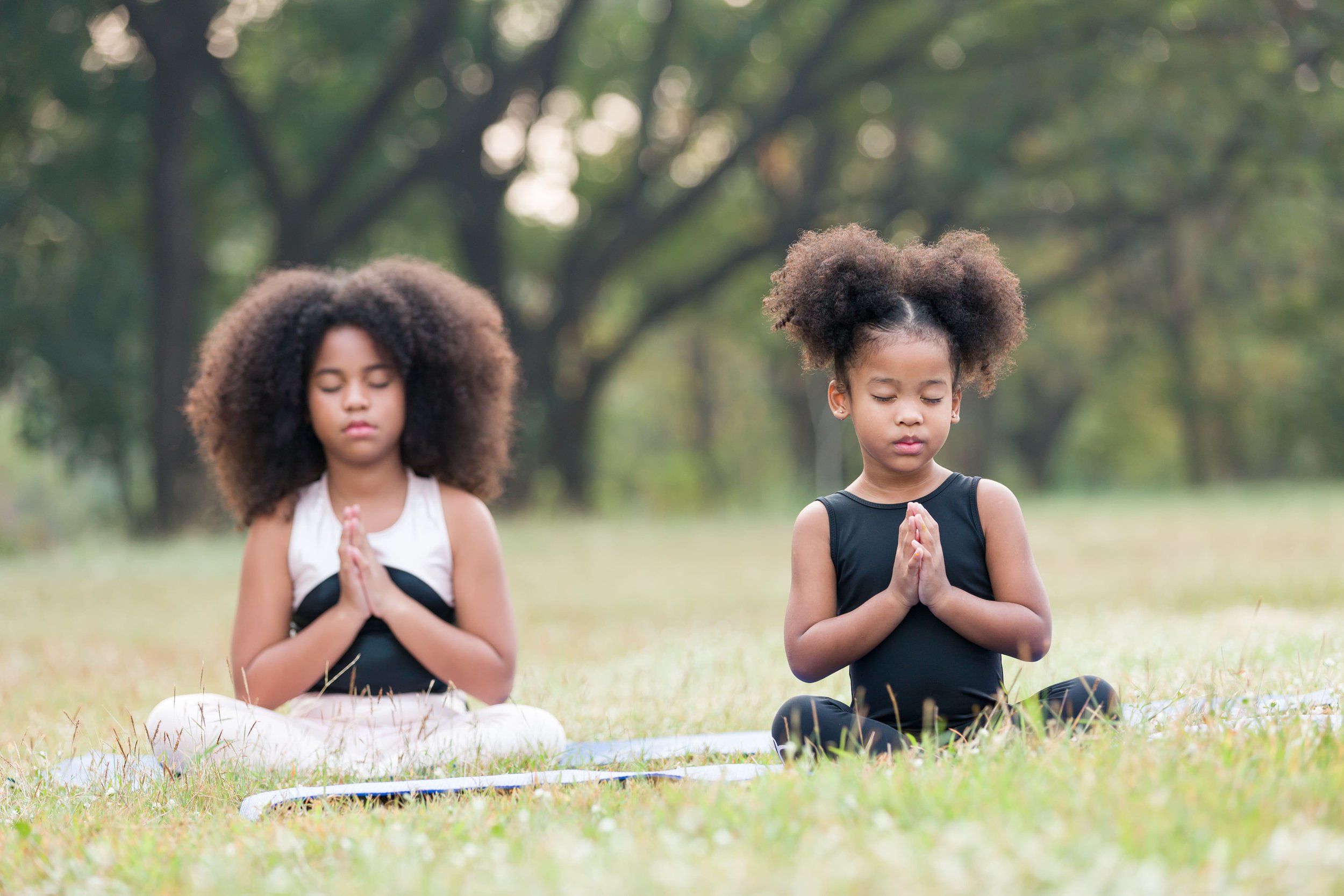
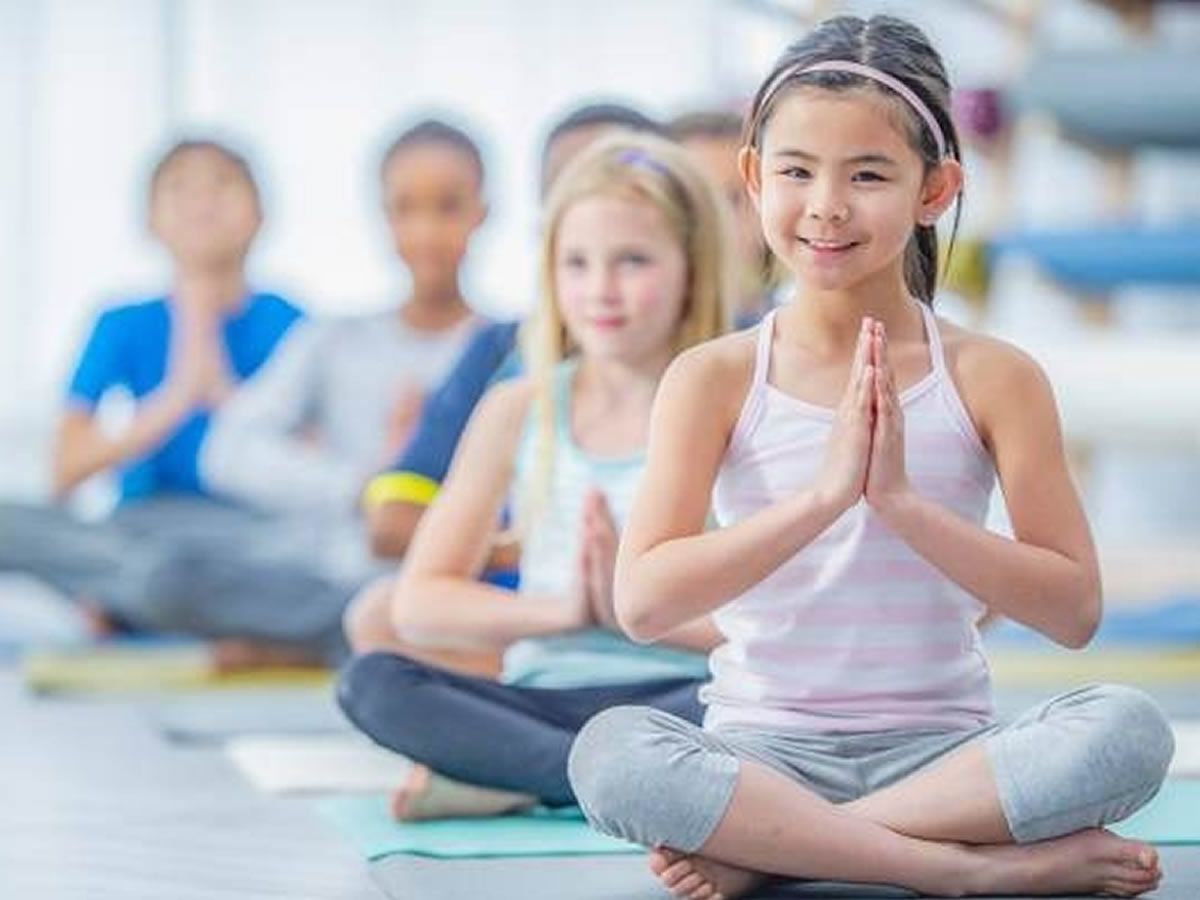
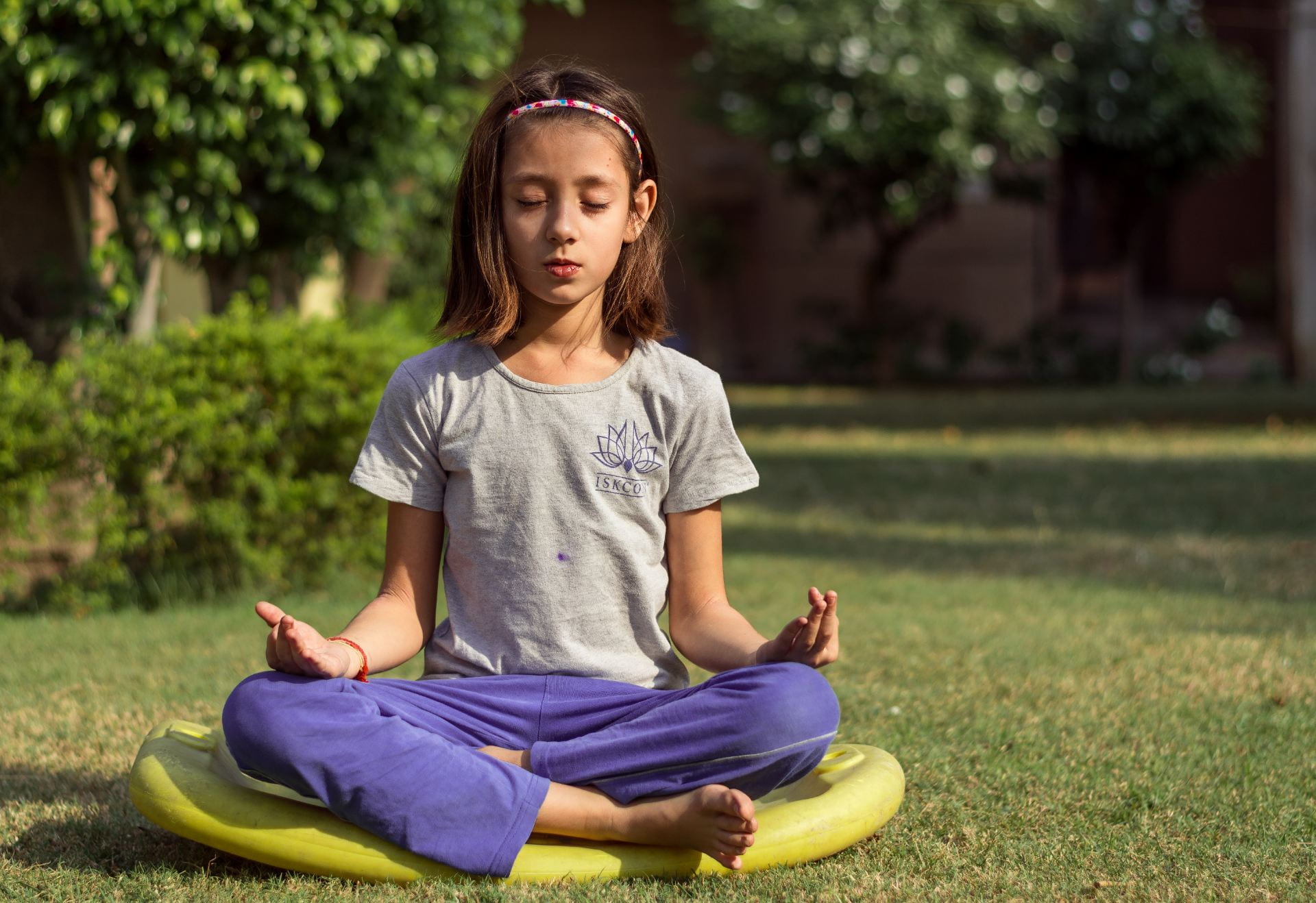
Achtsamkeit und Meditation für Kinder – humanistische Erziehung nach Amonashvili
💙
Love & Respect
— Humanistic School Switzerland Association

Testimonials

What families and participants say

Real voices from our community – from parents, young people and teachers.

★★★★★

“The courses helped my children understand themselves better and take responsibility. The atmosphere is warm and respectful – exactly what we were looking for. The course times could be more flexible.”

Sandra M.

Mother of two, Zurich

★★★★

“Prof. Dr. Marina Chayka truly impressed our family. Her approach is scientifically grounded yet deeply human. My son attends the courses with joy. More reading materials would be appreciated.”

Thomas K.

Father, Lucerne

★★★★★

“The training opened new perspectives on my teaching. The principles of humanistic pedagogy integrate wonderfully into everyday school life. Excellent instructor!”

Elena V.

Teacher, Bern

★★★★

“The methods are practical and truly applicable. Our family atmosphere has noticeably improved. We would have liked more group work, but overall highly recommended.”

Markus & Petra S.

Parents, Basel

★★★★★

“In the youth course I learned to reflect on myself and see my goals more clearly. The conversations with other teenagers were very valuable. I'll definitely come back!”

Julia R.

Teenager, 16, Lucerne

★★★★

“Solid concept with good theoretical foundation. The practical examples were helpful, even if I would have liked more depth on some topics. Very good for an introduction to humanistic pedagogy.”

Andreas B.

Educator, Winterthur

Become an Ambassador

Do you share our vision of humanistic education? Become an ambassador and help us spread humanistic teaching worldwide – with your name, your network, and your voice.

As an ambassador, you represent our values and support the humanistic education movement with your reach.

Discover our school

Our 2027 brochure introduces the association, humane pedagogy, courses, books, Spuki’s learning world and the school projects in Lucerne and Phuket.

Download the 2027 brochure

PDF in German · 24 pages · Unlock with email and contact consent

Coupon on signup

Stay informed

Receive news about courses, events and pedagogical insights – plus an exclusive welcome coupon.

Free
Cancel anytime
Welcome coupon included
Logo

Luzern, August 2026

Dear parents, dear friends of humane education,

As a mother, I know how it feels when you sense: my child needs something different. Not more pressure, not more comparisons – but a place where they are truly seen. A place where learning happens from joy, not from fear.

The works of Amonashvili, Montessori and Steiner showed me: there is another way. A way that respects the child as a whole person – with heart, mind and dignity. That is why we founded this school.

Our courses, books and materials are for all families who want to walk this path with us. Every course, every book is a step towards a more loving world for our children.

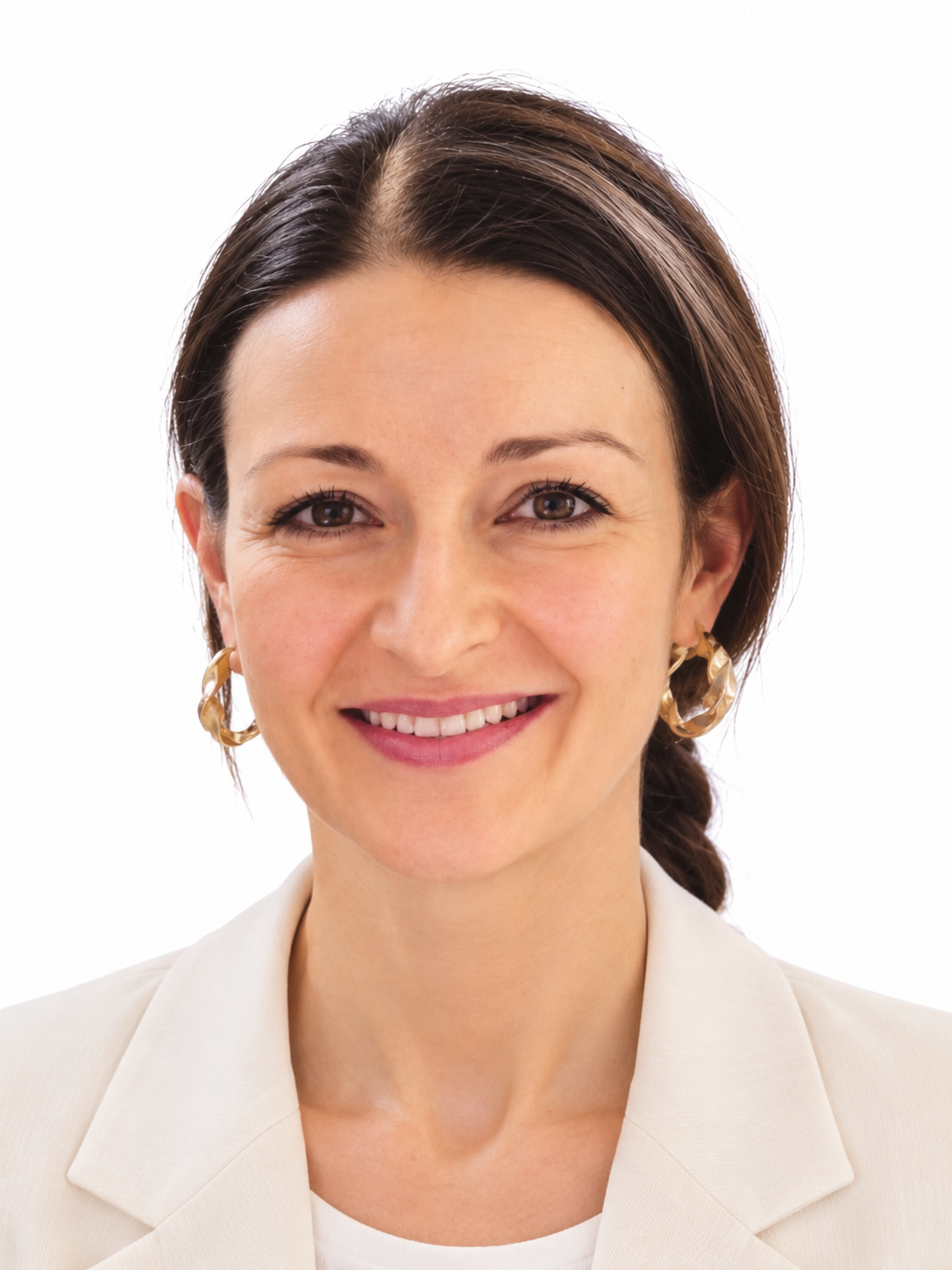
Natalia Huber

Professor of Humane Pedagogy
President of Humanistic School Switzerland (HSS)

Humanistic School Switzerland & Thailand

Natalia Huber

Shop

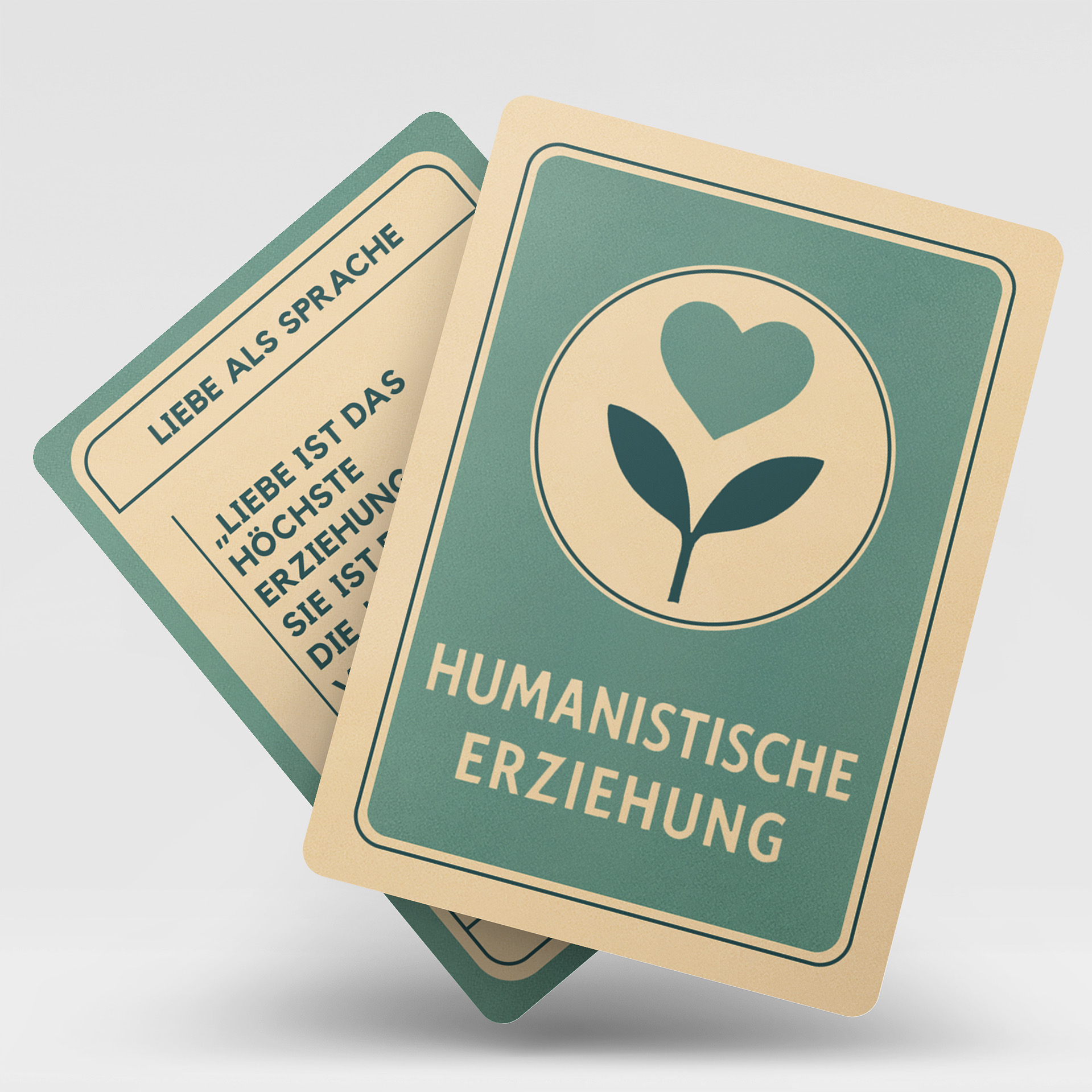
Books, PDFs & Card Sets

Deepen your understanding of humanistic pedagogy with our carefully developed materials.

Frequently Asked Questions

Have Questions?

Find answers to the most common questions about our school and programs.

Vision & Future

Winter School Thailand

Humanistic education under palm trees – Phuket, Thailand. November to February. Secure your spot now.

Secure your spot
Humanistische Tagesschule Phuket Thailand – internationales Bildungsprojekt
EUDEC – European Democratic Education Community Member
Official Member

Member of the European Democratic Education Community

The Humanistic School is a member of EUDEC – a European network of over 200 schools and organizations committed to democratic education and the rights of young people.

Learn more about EUDEC
autismus schweiz
Member since 2026

Member of autismus schweiz Association

The Humanistic School Switzerland has been a member of autismus schweiz since July 2026. Our commitment to inclusion and the individual support of neurodivergent children and their families is strengthened through this membership.

Learn more about autismus schweiz

Inclusion-certified

At least 1–2 members of our team are trained according to inklusion-schweiz.org.

Certification does not automatically guarantee admission of children with special needs.